A massive integrated resort (IR) featuring a casino is coming to the Middle East.
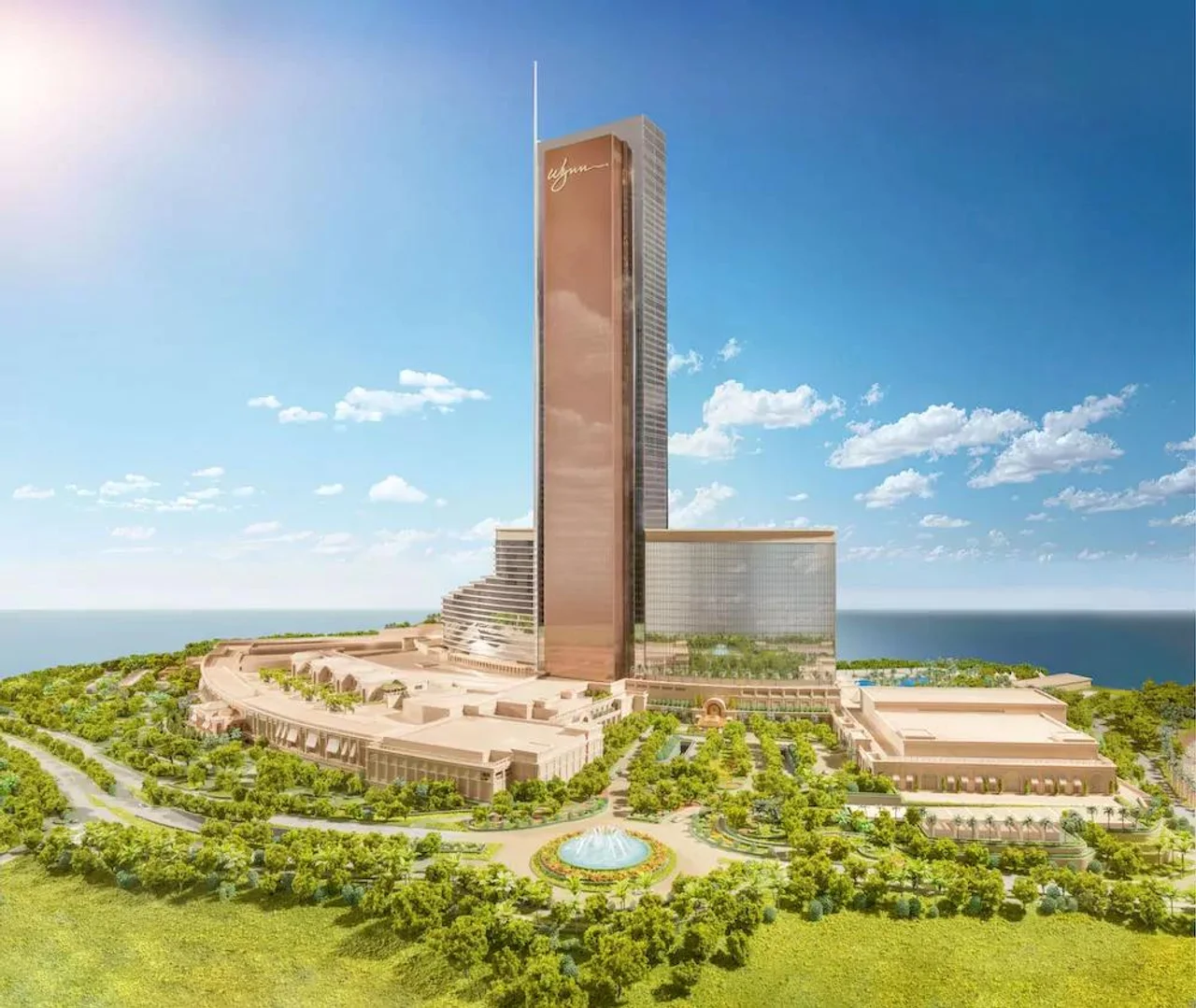
'Wynn Al Marjan Island,' currently under construction in Ras Al Khaimah, UAE, by the world-renowned Las Vegas-based casino and hotel giant Wynn Resorts, is targeting a grand opening in September 2027.
While the name may still be unfamiliar to many, this is a landmark project that has captured the attention of the global casino industry. It marks the first time a formal casino IR will appear in the Middle East, a region that has long maintained strict regulations against gambling.
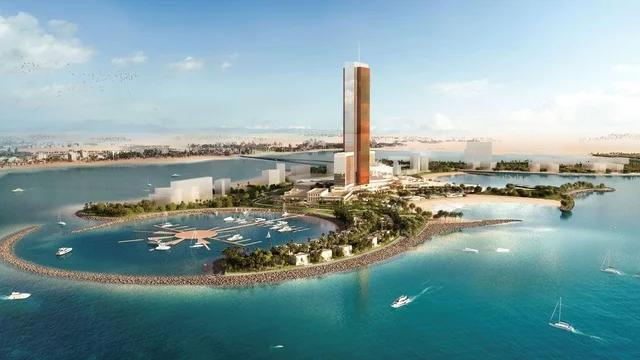
Although often referred to as a 'Dubai Casino,' Wynn Al Marjan Island is not actually located in Dubai. It is being built on Al Marjan Island, an artificial archipelago in Ras Al Khaimah, one of the seven emirates of the UAE, approximately a 50-minute drive from Dubai International Airport.
This resort is more than just a casino. It is a massive integrated complex combining ultra-luxury hotels, a casino, restaurants, high-end shopping, meeting and exhibition facilities, performance venues, beach clubs, a marina, and private beaches.
According to Wynn investor materials, the total development cost is approximately $5.1 billion, making it a mega-scale tourism project worth roughly 6.85 trillion KRW.
The hotel scale is equally impressive, featuring approximately 1,530 rooms, including suites and villas. The centerpiece is a 70-story high-rise hotel tower, expected to reach a final height of about 352 meters, destined to become the iconic landmark of Ras Al Khaimah.
The most anticipated feature is, of course, the casino.
According to data released by Wynn, the gaming area is planned to span approximately 225,000 square feet (about 20,900 square meters). However, the final number of slot machines and table games has not yet been officially disclosed.
Crucially, the casino area represents only a fraction of the entire resort. Rather than focusing solely on the casino, Wynn is designing a holistic consumption structure where high-end travelers can stay, dine, shop, enjoy performances, and utilize the beach and marina facilities.
The resort will house over 22 restaurants, bars, and lounges, luxury retail spaces, approximately 13,500 square meters of meeting, exhibition, and banquet facilities, a private theater, a nightclub, and a beach club. The beach will feature sunbeds, cabanas, and luxury bungalows, while the marina will provide yacht docking facilities.
Because of this, Wynn Al Marjan Island is less of a 'hotel with a casino' and more of an 'ultra-luxury marine tourism city with a casino as its core revenue generator.'
This project is also significant because the UAE has established the GCGRA (General Commercial Gaming Regulatory Authority) and registered the Wynn Al Marjan operating entity as a licensed commercial gaming operator. This is widely seen as the first instance of bringing casinos into the institutional framework within the UAE.
Wynn is pursuing this project in partnership with local Ras Al Khaimah development entities, Marjan and RAK Hospitality Holding, and holds a 40% stake in the joint venture.
The market potential envisioned by Wynn is substantial. In investor materials, Wynn projected long-term annual gaming revenue for the entire UAE casino market at $3 billion to $5 billion. They also presented their own forecast that Wynn Al Marjan Island could exceed $1 billion in annual gross gaming revenue once it reaches normal operations.
Of course, these are long-term projections and not guarantees of actual performance. However, they highlight how highly global casino giants value the Middle East market.
Ras Al Khaimah does not view this project merely as a casino business. The tourism authority aims to attract 3.5 million tourists annually by 2030. In line with the Wynn opening, developments in airports, roads, luxury hotels, and real estate are being fast-tracked.
In other words, the strategy is not just to build a casino, but to use the casino as a catalyst to grow the aviation, hotel, tourism, real estate, retail, and MICE industries simultaneously.
Wynn Al Marjan Island, along with the Osaka IR in Japan (targeting a 2030 opening), is considered a representative project that could shift the landscape of the Asian and Middle Eastern casino markets.
The commonality between these two projects is that they are not mere upgrades to existing casinos, but are designed from the ground up as next-generation integrated resorts. They bundle casinos, hotels, shopping, performances, MICE, digital customer management, and premium services into a single, seamless customer experience.
This holds significant implications for Kangwon Land as well.
Kangwon Land also possesses various facilities, including a casino, hotel, condos, golf courses, ski slopes, and a water park. However, the key is not just owning the facilities, but whether they are designed for customers to naturally experience them as a cohesive travel journey.
Future competition in the casino industry can no longer be explained by the number of slot machines or tables. The core focus is shifting to who can design and manage the entire travel consumption journey—from before a customer enters the casino, during their stay, to after they depart.
Wynn Al Marjan Island is a symbolic representation of that change.
Casinos no longer exist solely as gaming halls. They are evolving into tourism platforms that combine luxury hotels, fine dining, shopping, performances, beaches, marinas, and international conferences.
Opening in Ras Al Khaimah, UAE, in 2027, Wynn Al Marjan Island goes beyond its symbolism as the first major casino IR in the Middle East; it is a vital case study showing where the global casino industry is headed.
The competition starting on an artificial island in the Middle East is not a distant story. It is a trend connected to the 2030 Osaka IR, the Southeast Asian casino market, and the future competitiveness of Kangwon Land.
The next phase of competition in the casino industry has already begun.
The core of that competition is not a bigger casino, but the 'power of the destination' that makes guests stay longer and spend more.