The competitive landscape of the global casino industry is changing rapidly.
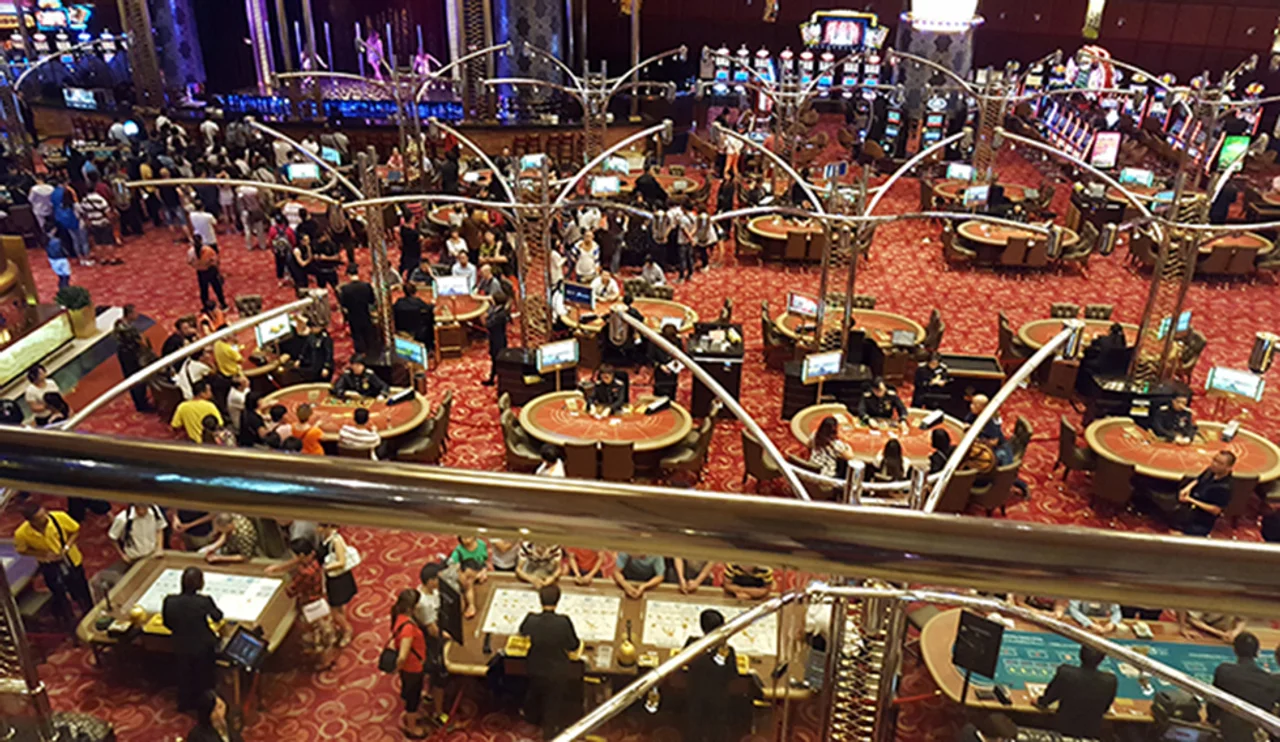
In the past, competitiveness was determined by the number of slot machines and table games, VIP volume, and casino revenue. Today, the focus has shifted toward 'destination competition,' which integrates hotels, live performances, MICE, shopping, dining, sports, digital gaming, and even customer data.
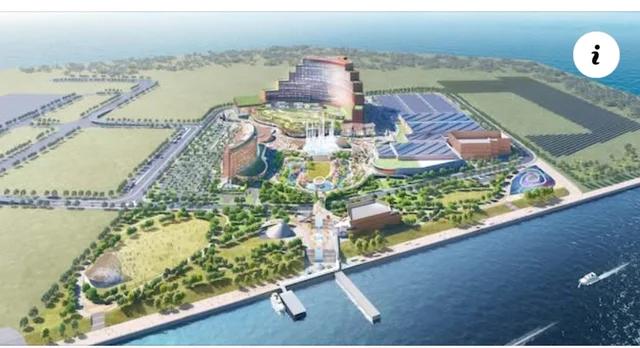
This shift is clearly reflected in the Osaka IR (Integrated Resort) in Japan, scheduled to open in 2030, and the Wynn Al Marjan Island in the UAE, set to open in 2027.
According to industry reports as of the 4th, Las Vegas is strengthening a strategy focused on 'customers who stay longer and spend more' rather than just 'more customers,' even as visitor numbers fluctuate. Major operators like MGM are focusing on increasing per-capita value by combining casinos with sports, entertainment, conventions, luxury lodging, and digital services.
Macau is also undergoing a clear transformation. While visitor numbers are rising alongside the industry's recovery, policy is shifting toward reducing reliance on gambling. New casino concession contracts now require operators to invest significantly more in non-gaming sectors—such as MICE, performances, sports, arts, and tourism—than in casino facilities themselves. Essentially, Macau, one of the world's largest markets, has adopted the stance that 'being good at casinos is no longer enough.'
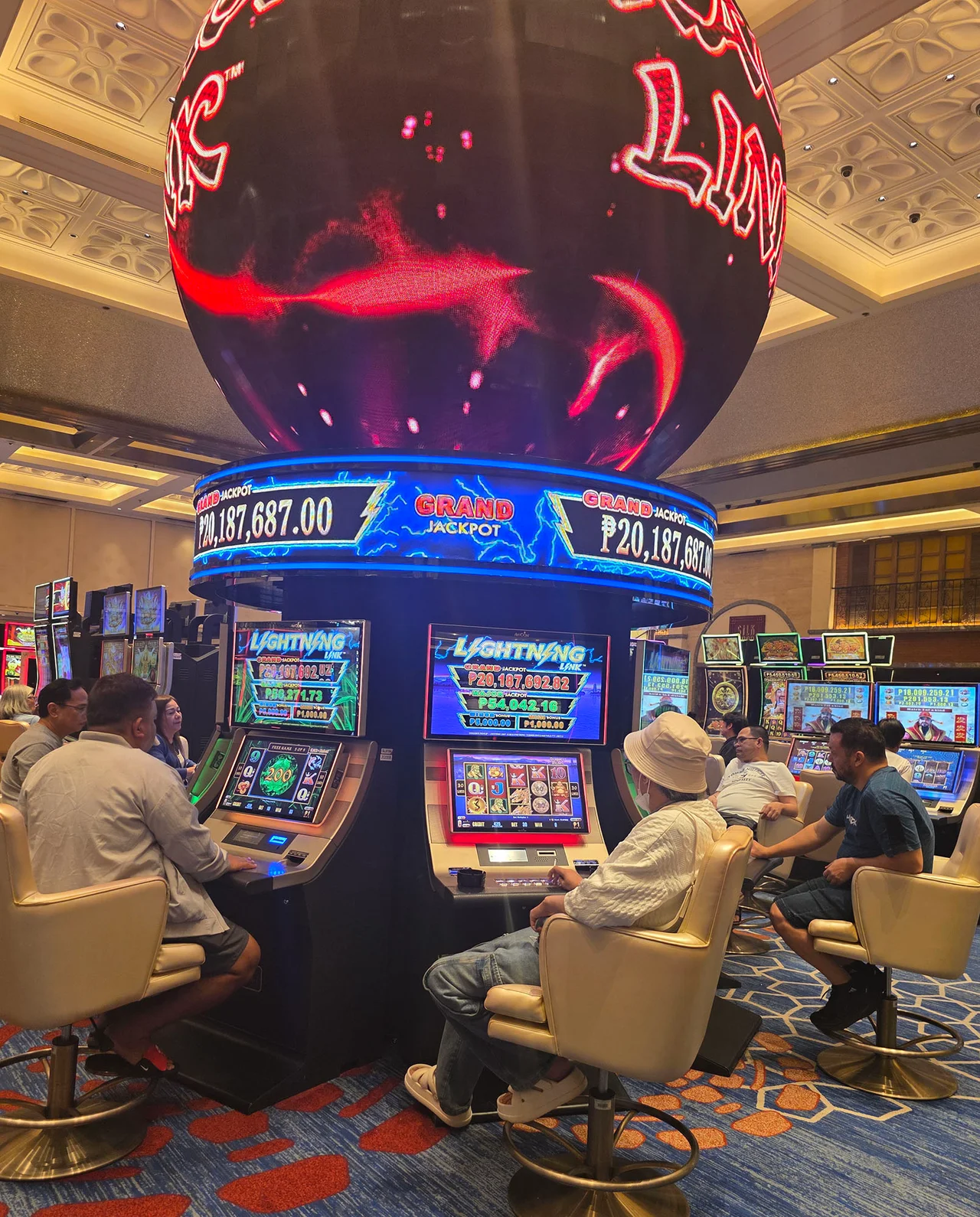
The Philippines shows a different trend. By 2025, online and electronic gaming revenue is expected to surpass land-based casino revenue. Simultaneously, areas like Manila’s Entertainment City and Clark are expanding their integrated resort strategies, combining hotels, shopping, and entertainment.
Singapore is considered a leader in the premium strategy. Marina Bay Sands continues to achieve record-breaking performance by expanding large-scale hotel renovations, high-end F&B, and entertainment investments. Resorts World Sentosa is also strengthening its theme parks, marine tourism, luxury hotels, and lifestyle facilities through multi-trillion-won expansion projects. The strategy here is to keep the casino as a core attraction while elevating the entire guest experience to drive higher spending.
Malaysia’s Genting Highlands is another case study worth noting for Kangwon Land. Genting officially promotes a strategy to simultaneously increase 'visitor numbers, dwell time, and per-capita spending.' They are intensifying management practices that analyze the profitability of both gaming and non-gaming sectors to maximize the value of each customer.
These changes in Las Vegas, Macau, Singapore, the Philippines, and Genting are directly influencing new IR developments. The Osaka IR, targeting a 2030 opening, is structured by MGM to bundle hotels, international conference centers, exhibition halls, restaurants, entertainment, and casinos into a single tourist destination. It is widely regarded as a model that combines the MICE and entertainment of Las Vegas, the Asian casino demand of Macau, the premium IR of Singapore, and the stay-based resort strategy of Genting.
The UAE’s Wynn Al Marjan Island follows a similar path. Located in Ras Al Khaimah rather than Dubai, it aims for a 2027 opening. As a massive integrated resort combining luxury hotels, casinos, restaurants, shopping, theaters, beaches, and marinas, it targets high-income demographics from the Middle East, Europe, and India.
The common thread in the global casino industry is clear: competitiveness is no longer measured solely by the scale of gaming facilities. Key management indicators now include revenue per visitor, average dwell time, repeat visit rates, non-gaming revenue, hotel/F&B attachment rates, and data-driven personalized services.
This trend poses significant implications for Kangwon Land. Critics point out that if Kangwon Land continues to measure its competitiveness based on visitor counts, total revenue, and the number of machines and tables, it will be difficult to close the gap with global IRs.
The opening of the Osaka IR in 2030 will be a critical variable for the Korean casino industry. For Korean customers, a trip to Japan will no longer be just about gambling; it will be a comprehensive travel package including Osaka sightseeing, Universal Studios Japan, shopping, luxury hotels, and entertainment. Ultimately, what Kangwon Land must compete against is not the number of slot machines in Osaka, but the 'entire travel experience.'
Lee Ki-won, Chairman of the Korea Gaming Tourism Association, stated, 'Future competition will not be between gambling halls, but between tourist destinations. Kangwon Land needs to shift its management model to connect casinos, hotels, resorts, and local tourism through data and service.'
The global casino industry has already moved from 'casino competition' to 'destination competition.' The Osaka IR and Wynn Al Marjan Island are next-generation integrated resorts that have incorporated these global changes and success models into their designs from the very beginning. Analysts suggest that Kangwon Land should view 2030 not just as a date when a new overseas competitor opens, but as a deadline for transforming its own management style and customer experience.