타타타 저널

Kangwon Land News·10/27/26

[In-Depth Analysis] Kangwon Land's '3 Trillion Won Revenue by 2035'... Why Concerns Outweigh Expectations

홍춘봉편집국 기자·By

[In-Depth Analysis] Kangwon Land's '3 Trillion Won Revenue by 2035'... Why Concerns Outweigh Expectations

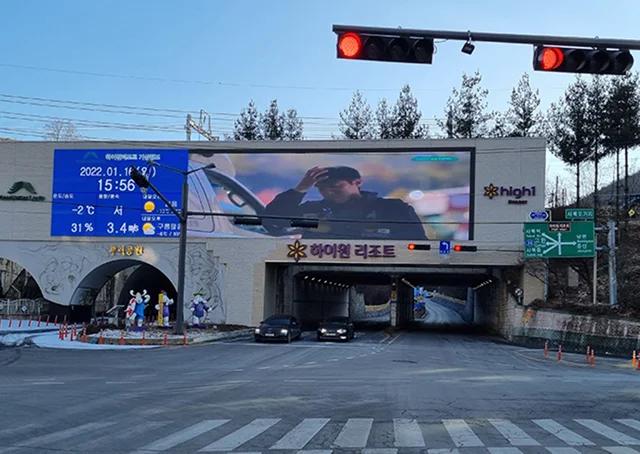
Kangwon Land, the only casino in South Korea accessible to locals, has unveiled an ambitious blueprint to reach 3 trillion won in revenue by 2035. However, expectations are mixed with significant concerns regarding its feasibility.


On the 26th, Kangwon Land held its 236th board meeting, announcing a complete overhaul of its mid-to-long-term management strategy, setting a new goal of 3 trillion won in revenue by 2035 and aiming to leap forward as a global public-type integrated resort.


Under the leadership of new CEO Kim Do-kyun, this move is positively viewed as a sign of determination to break through stagnant growth and respond to global casino competition.


However, the reality facing Kangwon Land is daunting.


For the past several years, it has failed to break the 1.5 trillion won annual revenue barrier, and its reliance on casino revenue remains at 88%. The non-casino business is struggling to secure profitability, and acquiring popular slot machines while navigating regulatory hurdles remains difficult.


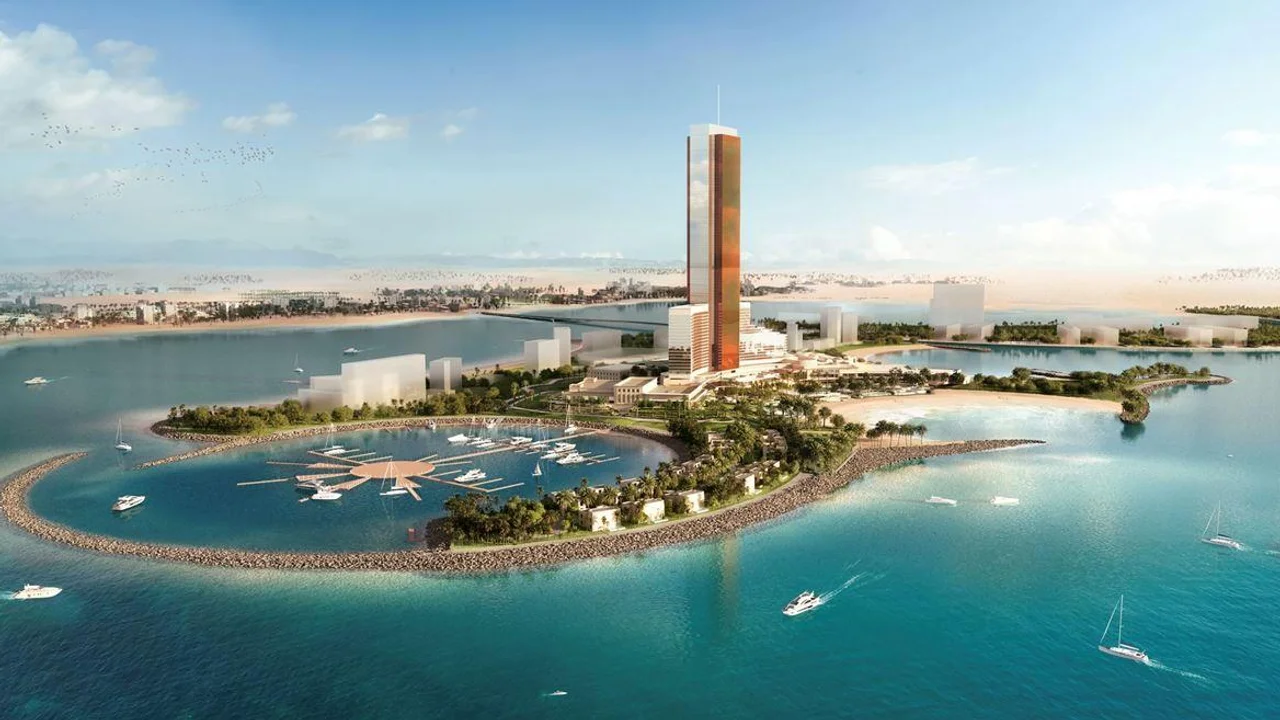
Even more serious is the emergence of a powerful competitor: the Osaka Integrated Resort (IR) in Japan, scheduled to open in the fall of 2030.


A recent survey of Kangwon Land's general customers revealed that 52.1% intend to visit the Osaka IR, serving as a major warning signal for the growth plan toward the 3 trillion won goal.


Before doubling its revenue, the task Kangwon Land must solve is how to retain its existing customer base.
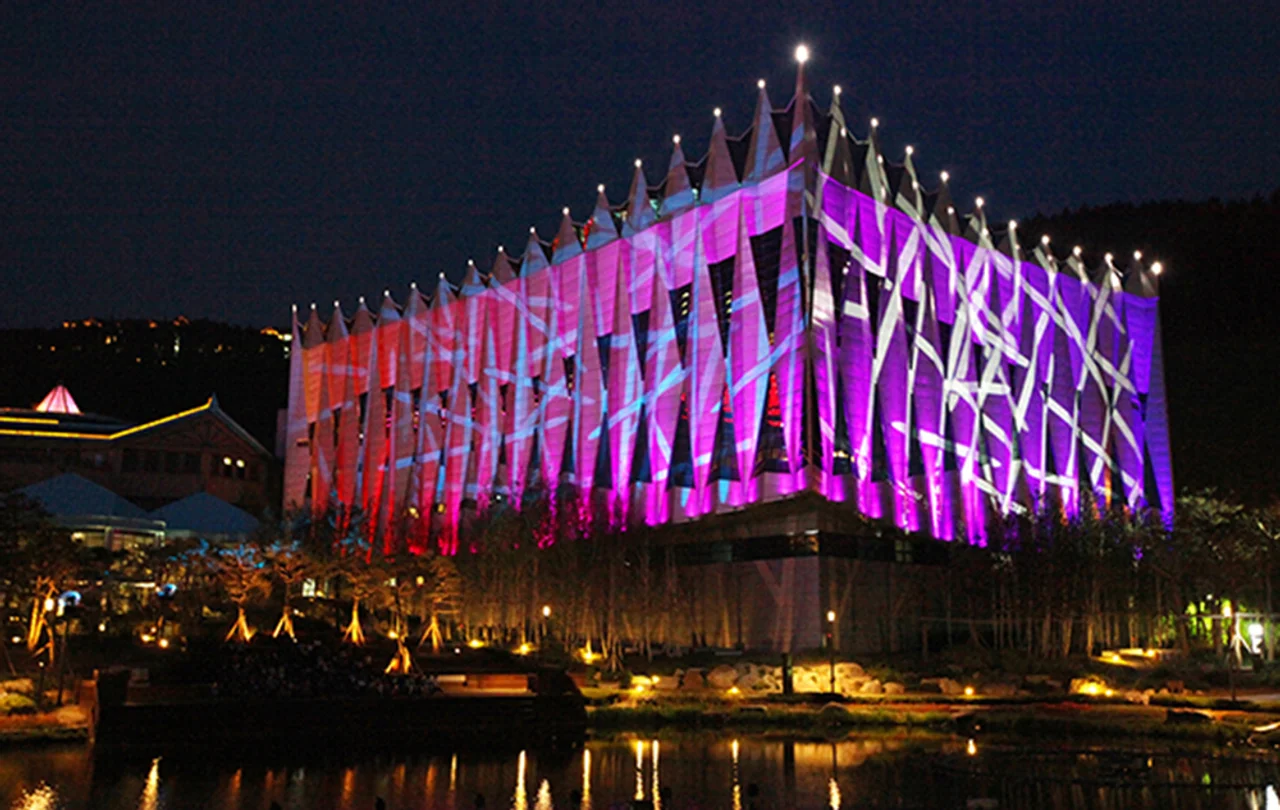
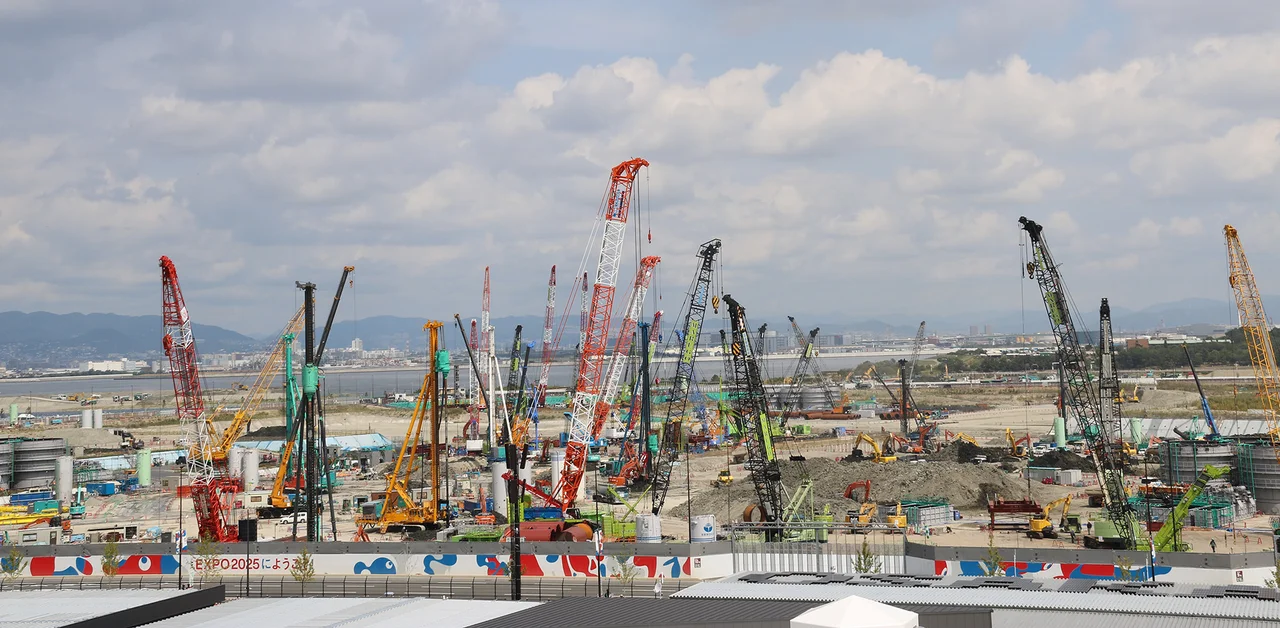
3 Trillion Won Revenue by 2035... Requiring 7.3% Annual Growth


Kangwon Land's consolidated revenue increased from 1.3886 trillion won in 2023 to 1.4269 trillion won in 2024, and 1.4767 trillion won in 2025.


However, the annual growth rate remained at 2.8% in 2024 and 3.5% in 2025. Last year's operating profit also fell by 17.7% year-on-year to 235.3 billion won.


In the first half of this year, revenue and operating profit were 724.6 billion won and 112.7 billion won, respectively—a decrease of 0.4% and 15.1% compared to the same period last year.


The problem is that while revenue growth is sluggish, profitability is also deteriorating.


To reach 3 trillion won by 2035 based on 2025's 1.4767 trillion won, the company must maintain an average annual growth rate of about 7.3% for the next decade.


This is more than double the recent growth rate. Furthermore, if existing customers defect after the Osaka IR opens in 2030, the burden of growth becomes even heavier as the company must compensate for losses while securing new revenue.

The Osaka IR Shock: A Warning from Half the Customers


The most serious variable Kangwon Land must consider is the Osaka IR. According to a survey by the Korea Casino Tourism Association, 52.1% of 493 general customers expressed an intent to visit the Osaka IR—a 4.2 percentage point increase from 47.9% in 2018.


Researchers estimate that the potential outflow of casino spending to Osaka could range from 316.5 billion won to 1.266 trillion won annually.


While this is a scenario based on surveys, the fact that customers cited 'freedom of casino games' (38.4%) and 'freedom from regulations' (20.7%) as reasons for visiting Osaka is telling. It suggests that dissatisfaction with Kangwon Land's current gaming environment and regulations is driving the choice of competitors, not just a preference for overseas travel.

Casino as the Growth Engine... The Shortage of Popular Machines


Kangwon Land's growth engine remains the casino, which accounted for 87.9% of total revenue in the first half of this year. Without casino competitiveness, the 3 trillion won goal is practically impossible.


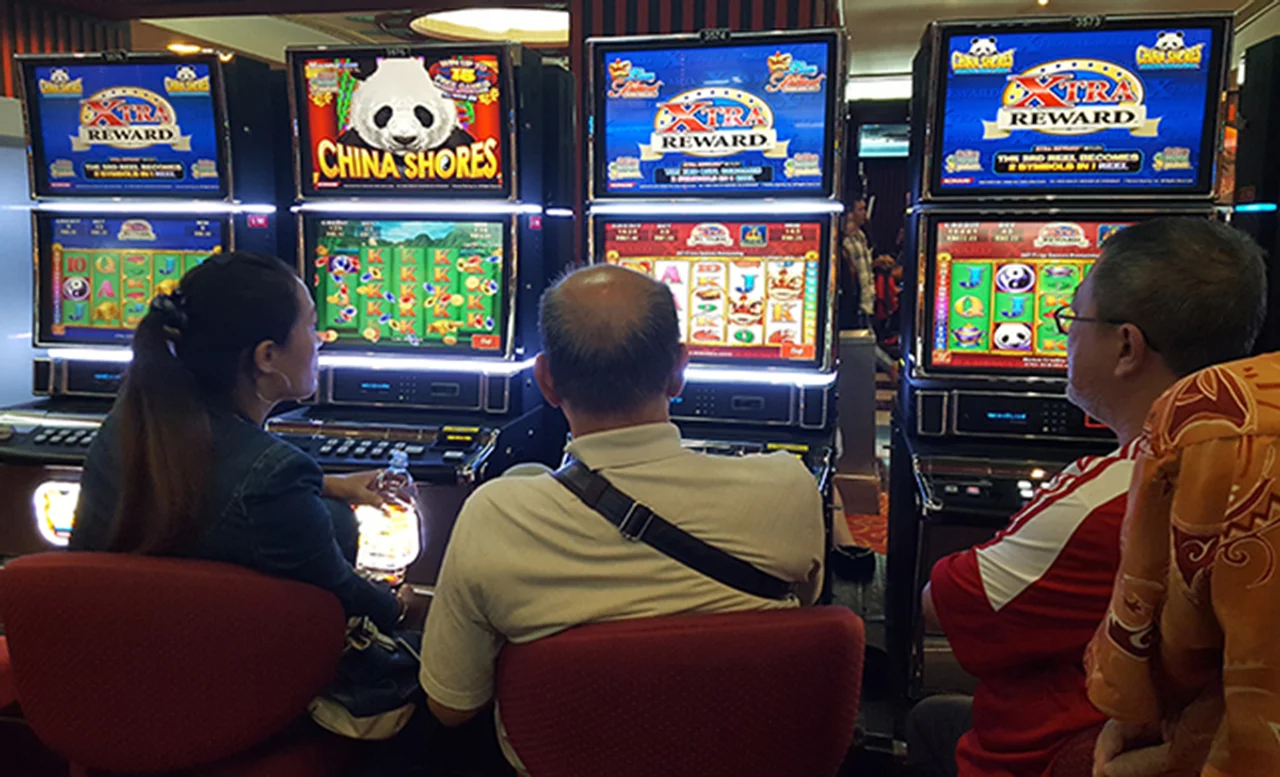
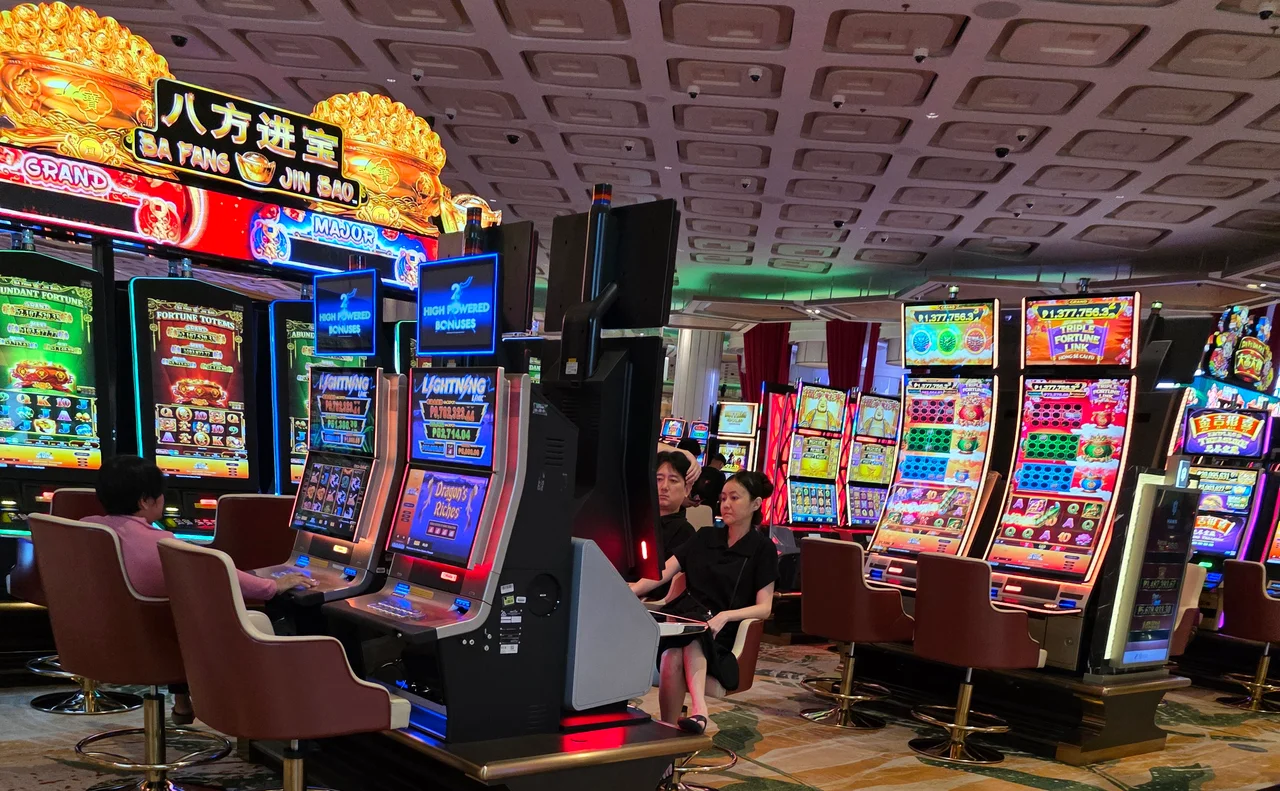
However, there are ongoing complaints about a lack of popular slot machines, long wait times, and a game composition that fails to reflect customer preferences. The inability to introduce preferred machines in a timely manner is directly linked to product competitiveness.


Management needs to clarify whether the bottleneck is supplier issues, domestic certification processes, or internal decision-making delays. A precise product strategy that analyzes machine utilization, productivity, and customer preference is essential.

Adding 300 Gaming Machines... Doubling Revenue is a Different Matter


Thanks to government deregulation, Kangwon Land can add 50 gaming tables and 250 slot machines, increasing total units from 1,560 to 1,860 (a 19.2% increase).


While this is expected to alleviate congestion, a simple increase in equipment does not guarantee doubled revenue. Additional growth engines such as attracting new customers, maintaining existing visits, increasing tourism, and expanding non-casino revenue are required.


Regulations on operating hours, betting limits, and entry frequency remain key variables. Any regulatory reform must be 'responsible,' balancing growth with addiction prevention and healing systems.

Chronic Non-Casino Deficits: Can More Facilities Solve It?


Another weakness is the inability to break away from a casino-centric revenue structure. Despite operating hotels, condos, ski resorts, and water parks, the non-casino sector remains weak.


In the first half of this year, non-casino revenue fell 5.4% year-on-year. Massive investments, such as a 200 billion won hotel renovation, could burden operating environments for the time being. To foster non-casino businesses as a new growth engine, Kangwon Land must secure independent tourism demand—such as family travel, corporate meetings, and international events—unrelated to the casino.

The Race Against 2030: The Speed of K-HIT is Key


Kangwon Land is pushing the 'K-HIT' project, investing 2.5 trillion won by 2032. However, with the Osaka IR opening in the fall of 2030, Kangwon Land risks being at a disadvantage if major facility investments are completed too late.


Simply renovating buildings is not enough to compete with a large-scale integrated resort like Osaka's. Customer service, smart casino systems, and tourism content innovation must be prioritized before facility completion. If Kangwon Land fails to retain customers in the 2030 competition, the 2035 revenue goal will inevitably drift further away.

Frequently Asked Questions

Why did Kangwon Land set a goal of 3 trillion won in revenue by 2035?+

Under new CEO Kim Do-kyun, Kangwon Land overhauled its management strategy to break through growth stagnation and respond to the rapidly changing global casino market, aiming to evolve into a global public-type integrated resort.

What impact will the Osaka IR have on Kangwon Land?+

With 52.1% of customers expressing intent to visit the Osaka IR, there is a high risk of customer outflow. Research suggests up to 1.266 trillion won in annual gaming spend could leak overseas, posing a major threat to Kangwon Land's revenue targets.

What are the key tasks for achieving the 3 trillion won revenue goal?+

The priority is strengthening casino competitiveness by resolving equipment shortages and using data-driven strategies. Additionally, reducing reliance on casino revenue, improving non-casino profitability, and implementing responsible regulatory reforms are essential.

About the reporter

홍
홍춘봉Reporter

K-Journal reporter covering casino industry news and issues.

More from 홍춘봉 →

Comments

No sign-up or login required.

No comments yet. Be the first to comment.