Rice spilled onto the street.
As the bicycle tipped into a puddle, the plastic sack tied to the back burst. 20kg of rice scattered across the roadside. Some was submerged in water, while some fell into the dirt.
Park Sang-woo stood motionless beside his fallen bike for a long time.
It was rice he had bought with 500 pesos that he had barely managed to scrape together. He didn't have the money to go back to the store and buy another bag. His wife and son were waiting at their home on the outskirts of Manila.
If he returned empty-handed, what would his family eat?
He squatted on the street. He swept the rice together with his palms and scraped the grains with his fingers. Even though it was mixed with dirt and water, he couldn't throw it away. He had to bring back every bit he could.
The torn sack could no longer hold the rice. He took off his shirt and poured the gathered rice into it.
Only then did the tears start to fall.
“Why did I leave my homeland and come all the way to the Philippines to suffer like this? If I don't have this rice, my family will starve….”
This is where the story of Park’s life as a fugitive, as heard in the Philippines, began.
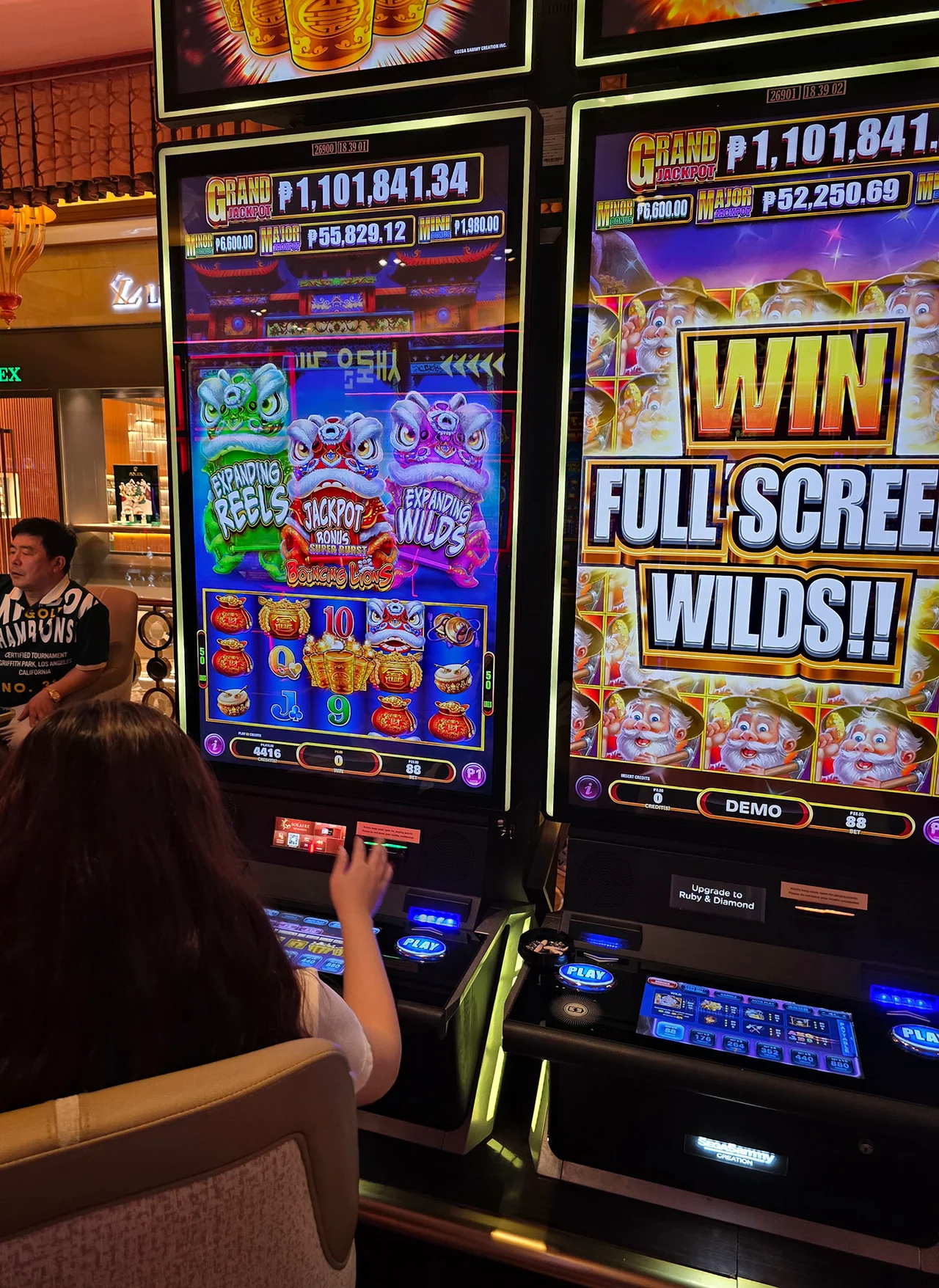
A few years later, he told an acquaintance that he had lost 3.5 billion won in less than three hours at the Wynn Casino in Macau. And then, he borrowed another 1.5 billion won.
The hands that scraped the street to save a bag of rice and the hands that lost a fortune at the baccarat table belonged to the same man.
Park Sang-woo is a pseudonym. Now 58 as of 2026, he left Incheon Airport with his family in the summer of 2010. At the time, he was on the verge of being wanted for fraud in South Korea.
His destination was Manila.
He succeeded in leaving the country with his family, but he was woefully unprepared for life once he arrived. His money was almost gone, he had no one to rely on, and he didn't even speak the language.
The relief of having escaped Korea didn't last long. In a strange land, his family still needed to eat every day and needed a place to sleep.
All Park had was an old bicycle without brakes. The day he was carrying rice on the back of that bike, he felt the true meaning of poverty once again.
He is said to have made a vow while clutching the shirt filled with rice.
I will never suffer like this again. I will make money by any means necessary. In this place where I can rely on no one, I must be the one to earn money to protect my family.
That day's vow was desperate.
However, the resolve to make money did not clarify the methods of earning it.
Among the Koreans he met in Manila, there was someone running an online casino business. Park asked him to teach him the trade.
For a man who couldn't find a way to earn a living in a country where he didn't even speak the language, a business run by a fellow Korean was a door he could enter. Park learned how to operate an online casino while working.
About a year later, he started a partnership with another Korean.
While the operators were in the Philippines, the customers were Koreans living in South Korea. Money started flowing in from the country Park had left behind.
That was how his life began to change.
Mr. A, an expatriate who was close to Park, remembered him as someone who was meticulous about saving money in the early days. He would even skimp on a drink. He didn't spend what he earned; he just kept stacking the money.
He, who once didn't know how to earn money when he had none, seemed to know exactly how to protect it once he started earning.
The memory of picking up the rice must have held him back. He probably didn't want to return to the state of not being able to afford another bag.
However, that money came from an online gambling business. While food increased in Park's house and his wealth grew, someone across the sea was losing their money.
According to Mr. A’s recollection, Park had amassed billions of won in wealth by 2014, and by 2015, his assets reached the 10 billion won range.
There was no data to confirm the exact scale of his assets. But the life observed by those around him showed just how much money had changed his life.
Park’s family rented a luxury apartment of about 1,500 square feet. Mr. A said the deposit alone was 2 billion won. His son was sent to an expensive international school.
The family that used to worry about rice could now choose good homes and schools.
The head of the household, who once feared returning to his wife and son empty-handed, could now buy them whatever they wanted. It was a life that would have been hard to dream of when he first arrived in the Philippines.
But the man who was saving money became a man who spent it at some point.
Park and his wife began frequenting casinos. They spent money lavishly on furniture, clothes, and cars. Entertainment and luxury shopping also became part of their lives.
Mr. A recalled that while they sometimes earned hundreds of millions to billions of won a month, their spending was equally reckless.
As the money coming in grew larger, the standards for money going out also changed.
In the past, he would have worried about the money left over after spending. Now, perhaps he trusted in the money that would come in next. Mr. A remembered that the man who used to skip a drink became a man who could talk calmly even after losing billions of won at a casino.
The rice on the street was still his past.
But that past could no longer restrain his daily spending.
In the summer of 2016, Park left for Macau with his wife. They planned to sightsee and shop for a week.
They stayed at the hotel where the Wynn Casino is located. It is said that the money they prepared for the trip was 3.5 billion won.
One might think that with that much money, they wouldn't lack anything during the trip. But it didn't even take a day for that money to disappear.
About three or four hours after arriving in Macau, a call came to Mr. A in Manila.
“Brother! I’m heading back to Manila on the morning flight tomorrow.”
Mr. A was puzzled. The man who had just arrived said he was returning the next day.
“Wait, you said you were going to go sightseeing and shopping for a week….”
Park explained the situation.
He had gone straight to the casino after dropping his bags at the hotel. He played baccarat and lost all the money he had brought in less than three hours.
It was 3.5 billion won.
I don't know how much he bet each time, how many times he won or lost, or what he was thinking when he lost the last of the money, but he was not in his right mind at the time.
However, the fact that a week-long trip ended in a few hours remained vivid in Mr. A's memory.
Park didn't just say he lost the money.
“So I borrowed 1.5 billion won in 'kkongji' (high-interest) money to go shopping with my wife, and we’re returning on tomorrow's flight.”
The money he had was gone, but the shopping remained. He meant to fill that void with borrowed money.
The fact that he could borrow 1.5 billion won even after losing 3.5 billion gives a glimpse into his wealth and connections at the time. However, the borrowed money was money that eventually had to be paid back.
Instead of finishing the couple's trip and returning, he had to go back to Manila carrying a massive loss and debt.
A man who couldn't buy rice again because he lacked 500 pesos.
He was now talking on the phone about losing 3.5 billion won and borrowing 1.5 billion.
Does the pain of losing money increase in proportion to the amount? Park's story was not that simple. As his wealth grew, his sense of how to treat money had also changed.
Mr. A said that Park and his wife enjoyed casinos frequently.
“Sometimes if the husband lost, the wife would win even more than that.”
There must have been days like that. The experience of winning back lost money can leave room for hope in the face of the next loss. However, that memory does not mean the couple had a consistent ability to win money.
The life described by Mr. A was affluent.
They ate good food and went to casinos. Mr. A said Park’s lower abdomen became bloated because he barely exercised. They didn't spare money on jewelry and luxury goods. Giving a bag or jewelry worth millions of won for a birthday was not considered special.
The vow not to let his family starve had already been fulfilled.
What was he earning money for after that?
Maintaining a good home, continuing expensive consumption, and covering the money lost at the casino required a constant flow of cash.
Online casinos were the business that earned him money. Actual casinos were the places where he lost it. Park lived by moving between the two.
In October of that year, another problem struck the life he enjoyed with his money.
Mr. A said he was caught through a joint investigation by Korean and Philippine police. It was a desperate situation where he could be extradited to Korea.
This time, it wasn't a matter of how much he lost at baccarat. He was physically apprehended. Neither a good house nor a car could change his fate at that moment.
Park requested help from a local police officer with whom he had built a friendly relationship.
The amount of 1 million pesos appears in Mr. A's recollection. It was an offer to pay if they let him go.
The local police delayed handing him over to the Korean police, claiming further investigation was needed. After taking Park into the interrogation room, they let him out through the back door. It is a common 'generous' leniency tactic in the Philippine police.
It means that while the Korean police were waiting to take custody, Park slipped out of the police station.
Mr. A said that Park went home and paid the money he had promised to the police officer. He then asked for help to escape to Thailand and also requested a forged passport.
He was released after being caught, but he could not return to his original life.
He had to find his next hideout.
According to Mr. A, the Korean police, who were trying to take custody of Park and four other Koreans, were told by local police that the investigation was not over and that they had been released for non-custodial investigation.
The Korean police, who had gone all the way to the Philippines for repatriation, returned empty-handed without securing the suspects.
Mr. A said that the place Park headed to was Thailand.
His subsequent whereabouts have not been confirmed. It is unknown under what name he lived, where he lived, how much property he left behind, or if he was with his family. His survival status was also not determined during the reporting process.
However, the last image of him that Mr. A remembers is not that of a successful businessman who made money, but that of a fugitive leaving for yet another country.
At first, he was helpless on the outskirts of Manila because he had no money. Then, he earned a fortune and lived in a nice house. He sent his son to a good school and traveled abroad with his wife.
But money could not erase his status as a fugitive. The claim that he earned it for his family did not change the nature of his online gambling business.
On the day he picked up the rice, Park vowed to live happily with his family.
He probably didn't need 10 billion won to fulfill that wish. But after his wealth accumulated, his life shifted to more expensive consumption and larger stakes.
The week-long trip he took with 3.5 billion won ended in a few hours. On the day he was released from the police station, he had to find his next hideout.
The rice scattered on the street could be gathered again by hand.
The money lost at the casino was replaced by debt.
But what had to be added to a life that had to cross borders again?
Park disappeared without leaving an answer to that question. Two scenes still remain in his story: the man crying while holding rice in his shirt, and the man on the phone saying he lost 3.5 billion won and would return tomorrow.
In between, a huge amount of money came in and went out. The place where he could live safely with his family was never found. The end of a man who lost his original intentions is likely not just Park's story alone.