For Nam Won-ho (a pseudonym), America was the country that would open doors for his children's future. Yet, at the end of his life, what remained was not the dream of study abroad, but the sorrow of losing his wife and a fortune vanished in casinos.
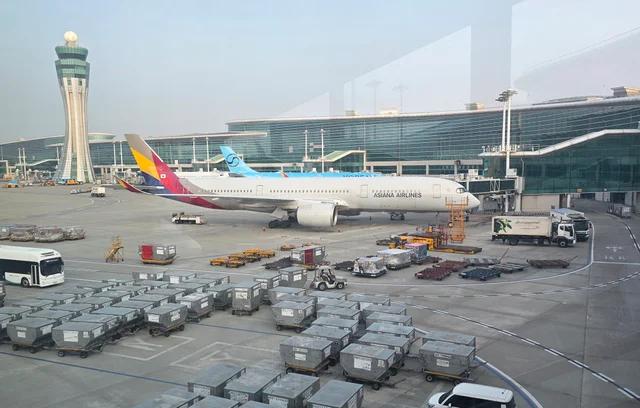
I met Mr. Nam at a gambling addiction counseling center near Kangwon Land in 2026; he was seventy-seven. Once possessing a fortune of 5 billion won, he claimed to have been effectively empty-handed for the past 20 years. The old man's story, which included growing distant from his children, began at Gimpo Airport Customs.
“My time working at Gimpo Airport Customs was the absolute peak of my life.”
He recalled that when he started as a customs official in 1963, his monthly salary was 2,300 won. He added that back then, a don (3.75g) of gold cost 2,400 won, and a plane ticket from Gimpo to Busan was 1,800 won. His memory of these long-forgotten prices felt like a scale measuring just how much time he had traversed.
Mr. Nam recalled that there were passages at the airport back then that operated independently of regulations. Luxury goods and contraband moved through cleverly, and he mentioned that he had even cleared smugglers through customs under the orders of his superiors. While the factual accuracy of his claims would require verification, he remembered that era as the golden age of his life.
It was also at the airport that he grew close to a consul from the U.S. Embassy. When flights to Busan were canceled due to weather, he was often asked to secure seats on the next flight. Mr. Nam confessed that he once had a young passenger who had already boarded removed under the pretext of reserve army training issues to make room for the consul. The favors he granted to some came at the cost of inconvenience to others.
After such incidents repeated for over a year, the consul reportedly called him to the embassy.
“He asked me what my wish was. I told him it was to study in America. Not for me, but for my children.”
He explained that this connection led to his family's move to the U.S., and that with the help of the American consul, he obtained U.S. citizenship in 1975—something he claimed was difficult even with large sums of money. However, he did not disclose the specific procedures used to obtain the visas and citizenship. What was clear to Mr. Nam was his desire to open up a wider world for his children.
At thirty-nine, his wife and two sons left for the U.S. However, the family's new life met with tragedy after just seven months: his wife died in a car accident.
He had lost his wife on the path he paved for his children. Mr. Nam said he was devastated. He traveled back and forth to the U.S. frequently to see his sons in school. As a customs official at the time, he was provided with free airfare.
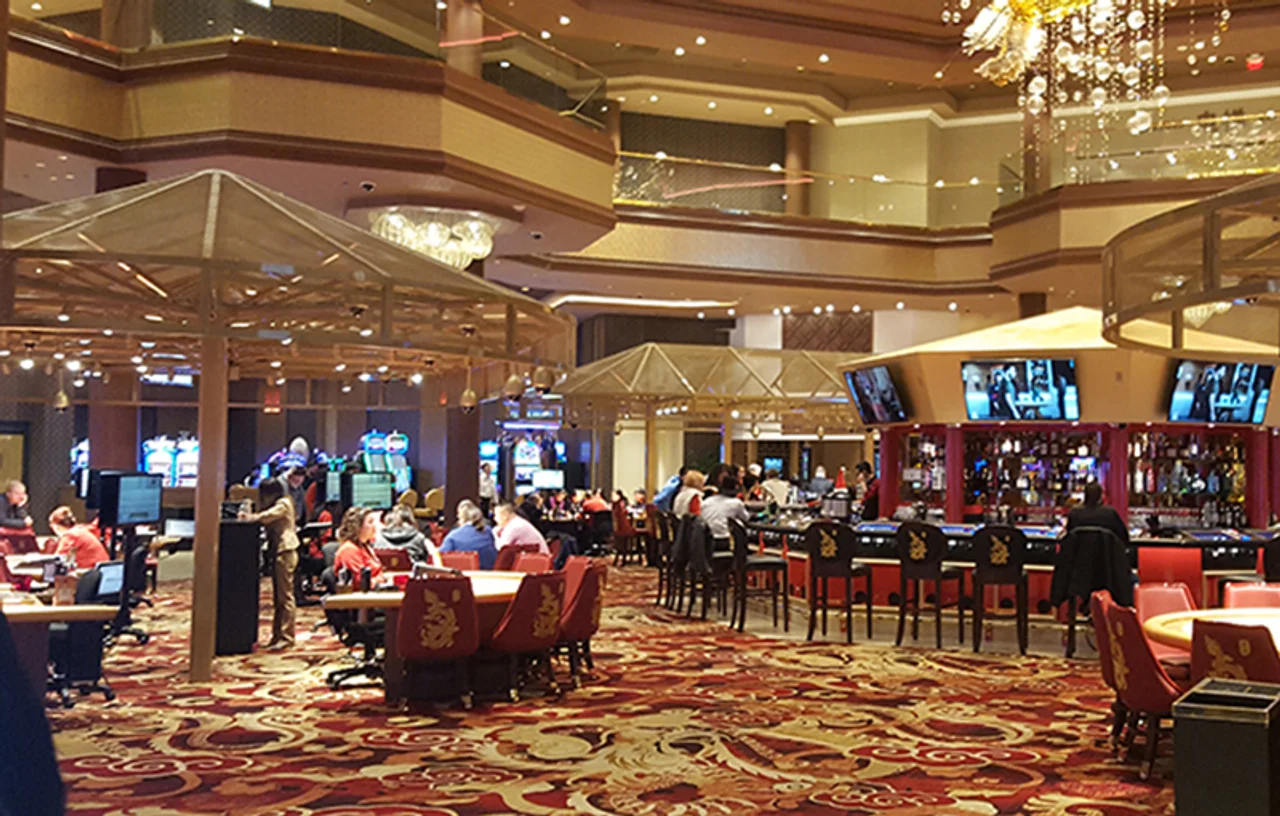
During his trips to the U.S., he visited Las Vegas out of curiosity. That was where he first encountered casino games.
It cannot be concluded that his wife's death led directly to gambling. However, reflecting on his long life in casinos, Mr. Nam spoke of loneliness. He said his siblings and neighbors encouraged him to remarry, but he gave it up for the sake of his children.
“Looking back now, I think I fell into casinos so easily because I was living such a lonely life.”
His words were filled with the regret of someone re-examining choices made long ago. In the America he crossed to for his sons' future, he found his children, but he also found casinos. The road to visit his family and the road to the gambling den began to overlap within a single life.
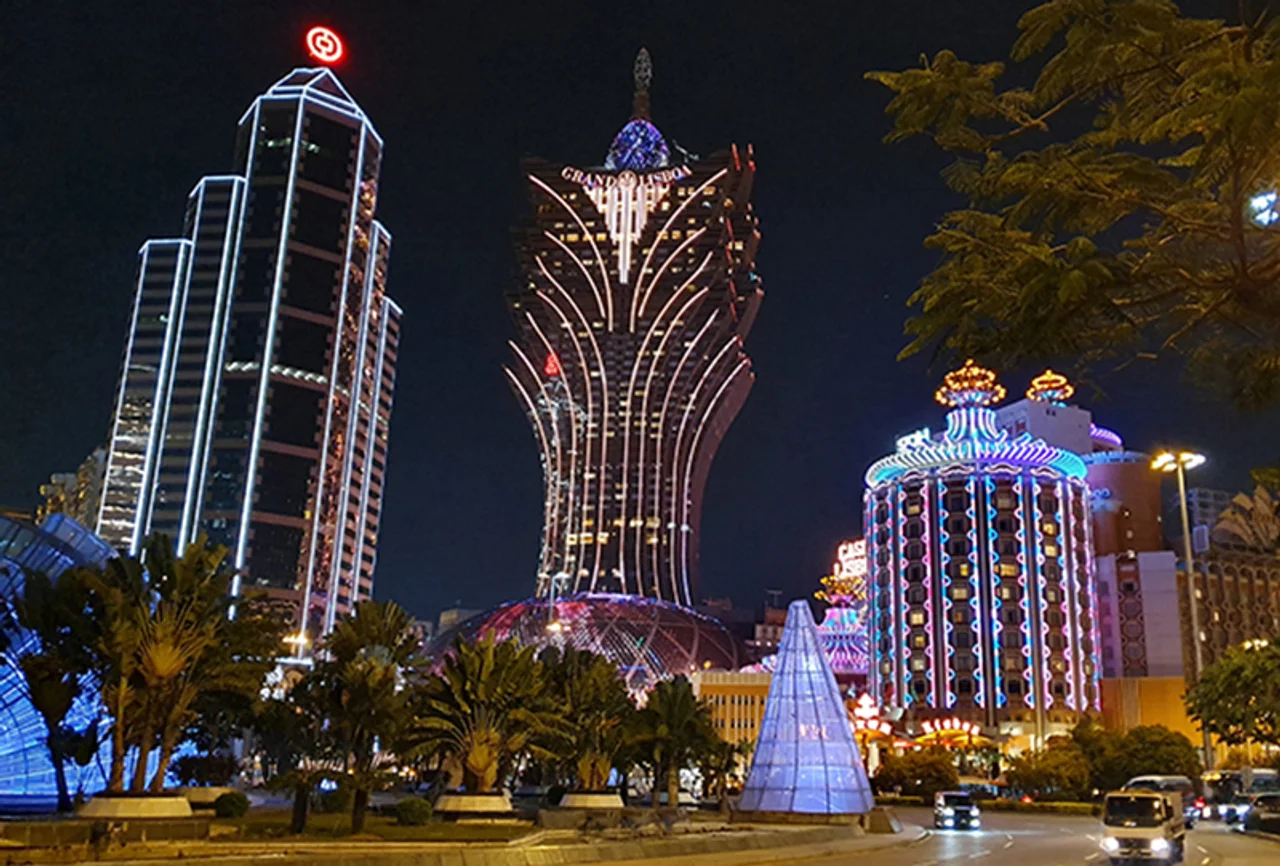
His casino visits, which began in Las Vegas, continued to Macau and the Philippines after he retired from customs. At the time of his retirement, his assets amounted to a staggering 5 billion won. However, Mr. Nam said that by the time Kangwon Land opened, he only had about 1 billion won left in Seoul apartments and real estate.
He remembers that time vividly. In late October 2000, his friends congratulated him after he returned from gambling in the Philippines.
“They told me I didn't have to go all the way to Macau or the Philippines anymore.”
It was news that a casino had opened in Jeongseon, a coal mining village in Gangwon Province. For someone who crossed borders to gamble, the opening of a domestic casino was news that saved him the trouble of traveling. His friends congratulated him, but in Mr. Nam’s recollection, that moment marked the gateway to losing even his remaining assets.
He said it didn't take long to lose his entire fortune after he started frequenting Kangwon Land. He also mentioned that he had spent about 40 years with casinos. The customs official who once dreamed of his children's study abroad had become a man unable to support his own old age.
“When I had money, the casino looked easy.”
After losing his money, his expression changed.
“I realized deeply that the casino is a factory that turns people into beggars.”
This was not an objective definition of casinos as a whole, but a summary of one man's life after he ended up empty-handed. What remained for him was not the amount of money lost, but the weight of the years he had squandered.
An acquaintance who watched Mr. Nam attributed his ruin to his impatient personality. However, there is no guarantee he would have saved his fortune if he had bet calmly. The moment one reads Mr. Nam's story as a guide to gambling leisurely, the warning he intended to convey gets sucked back into the temptation of the game.
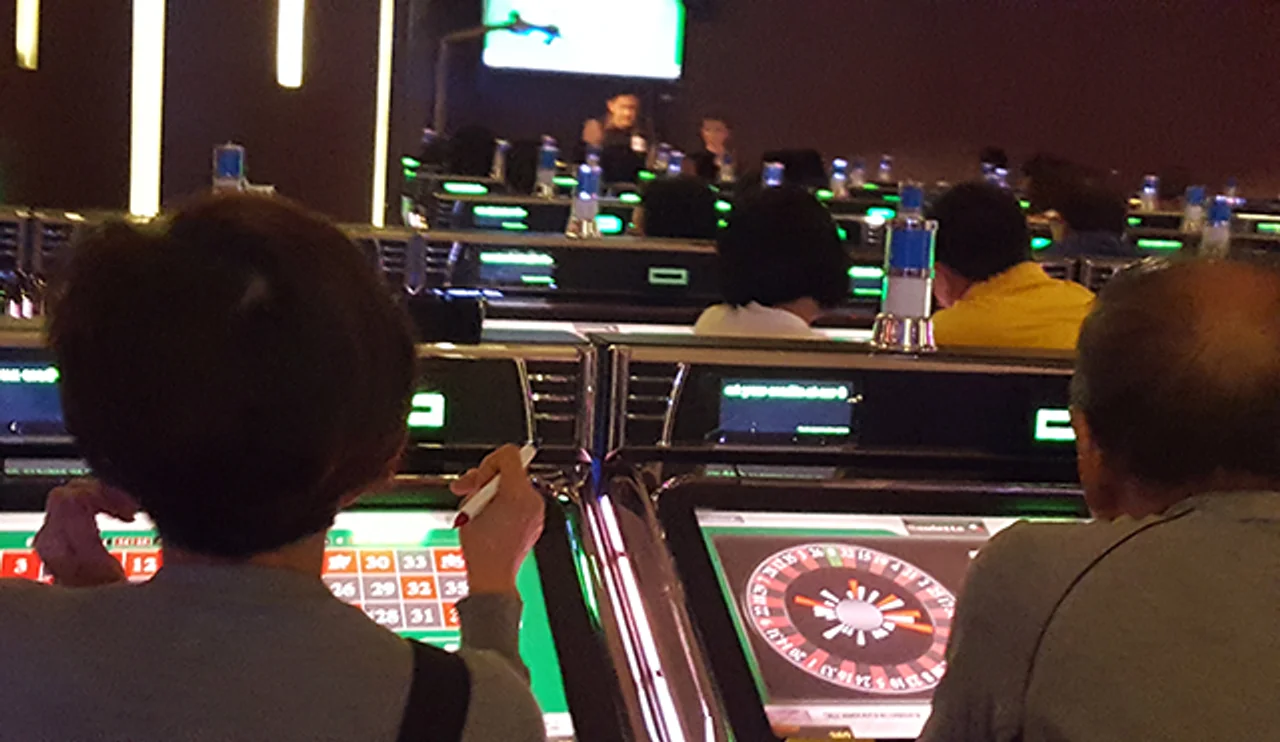
Mr. Nam said, “The Chinese people I saw in Macau loved gambling, but they were laid-back. Koreans bet without looking ahead, but most Chinese people waited for opportunities and played calmly when making big bets. That was different from Koreans.”
His final request was different.
“I hope you don't spend your later years as miserably as I did.”
Mr. Nam, who once tried to open a future for his children, now hoped that his past would not become someone else's future. The dream that headed to America met with a family tragedy long ago, and at the end of years spent in casinos, only a short warning from an old man remains.