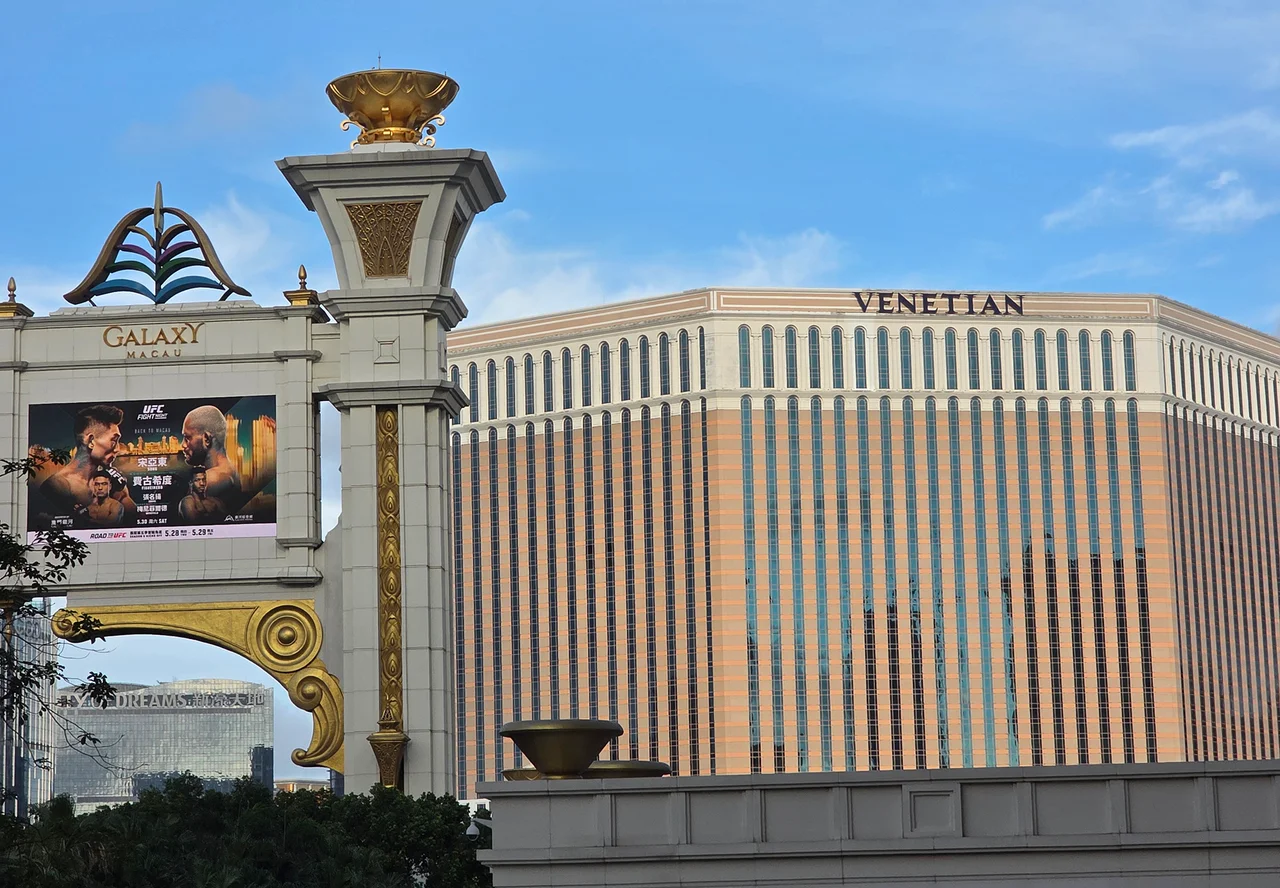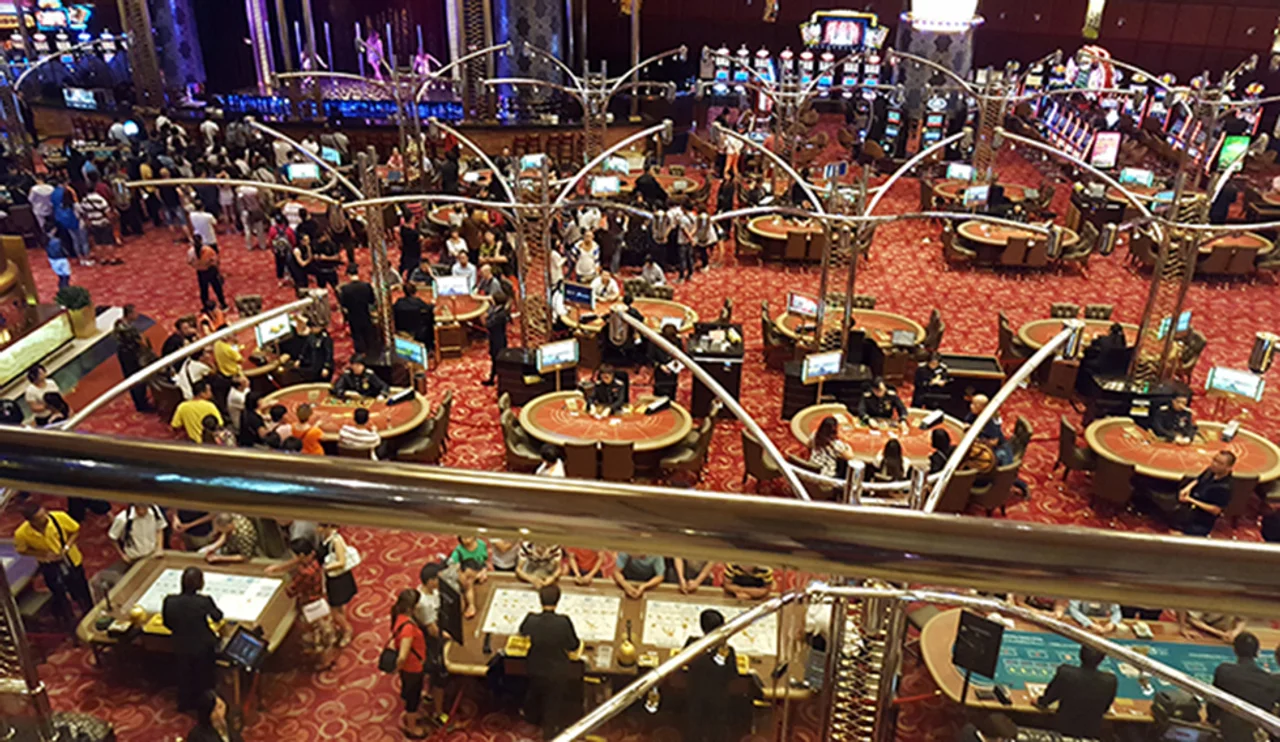
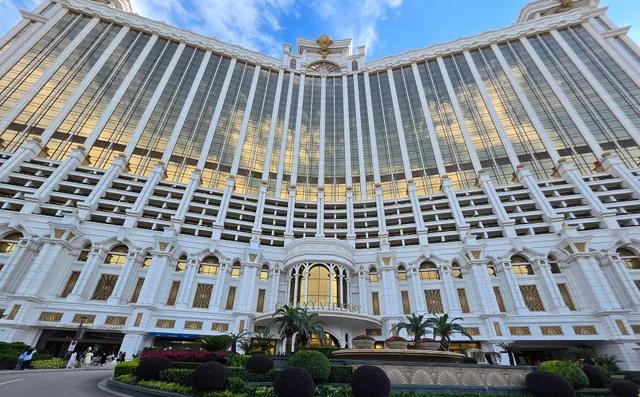
Macau is continuing its evolution from a casino-centric city into a comprehensive tourism hub that blends performances, sports, gastronomy, and conventions. The city is phasing out smaller satellite casinos, strengthening direct operations by major operators, and expanding non-gaming attractions.
Recent observations on-site, such as the reduction in small casinos, the changing local commercial landscape, and improved mobility via the light rail, reflect this shift. However, the latest statistics highlight a challenge: the increase in tourists is not yet translating directly into higher demand for accommodation or casino spending.
According to the Gaming Inspection and Coordination Bureau (DICJ) on the 17th, there were 20 casinos as of the end of September this year, down from 30 at the end of 2024. The market is now operated by six major groups: SJM, Galaxy, Sands, Wynn, Melco, and MGM.
The core of this reduction is the termination of the satellite casino system, where licensed operators partnered with third-party facilities. Following legal amendments, the transition period ended late last year, resulting in closures and conversions to direct operation. This is more of a reorganization of operational bases and responsibilities than a simple reduction in casino numbers.
While casino revenue has recovered since the pandemic, growth has recently slowed. Total Gross Gaming Revenue (GGR) last year was 247.404 billion patacas, up 9.1% from the previous year. From January to September this year, it rose 3.2% to 187.116 billion patacas, but saw year-on-year declines from June to September. GGR represents total bets minus payouts and differs from net casino profit.
Tourist numbers are rising. According to the Statistics and Census Service (DSEC), there were 28,964,737 visitors from January to August this year, a 7.7% increase year-on-year. However, while same-day visitors rose by 13.6%, overnight visitors decreased by 0.6%. The average length of stay for all visitors also shortened by 0.1 days to 1.0 day.
Tourism demand peaked during this month's National Day holiday. From October 1st to 7th, there were approximately 1.143 million visitors, a 15.5% daily average increase compared to last year's National Day. While the average hotel occupancy rate rose to 91.3%, the average room rate fell by 1.7%. This is why both visitor numbers and the hospitality industry's profitability must be examined together.
Operators are focusing on creating new reasons to visit. In its first-half earnings report, Galaxy highlighted the expansion of the Capella Hotel, the convention center, and the Galaxy Arena. In June, they signed a three-year partnership with Trip.com to expand sales channels for performances, sports, and travel packages.
Expanding tourism content and attracting high-net-worth customers are happening simultaneously. From January to September this year, VIP baccarat accounted for about 28.0% of total GGR, while regular baccarat made up about 56.3%. Even though the junket-centered model has shrunk, the high-end market has not disappeared; there is still a segment of premium customers within the general market with significant spending power.
Transportation networks are also extending tourist routes. The Seac Pai Van and Hengqin lines, opened in 2024, connect with the existing light rail, expanding travel options for residents and tourists alike. The city's overall accessibility, beyond individual resort facilities, is now a key component of its competitiveness.
Macau's transformation offers insights for Kangwon Land. Beyond investing in more casinos and hotels, it is essential to integrate performances, dining, transportation, and local tourism into a cohesive travel experience. It is also critical to verify whether increased visitor numbers lead to longer stays, local spending, and repeat visits.
Macau is not abandoning casinos; it is a city building more diverse purposes for visiting based on them. The success of this transition depends on how long the increased number of tourists stay, what they experience, and whether they return.