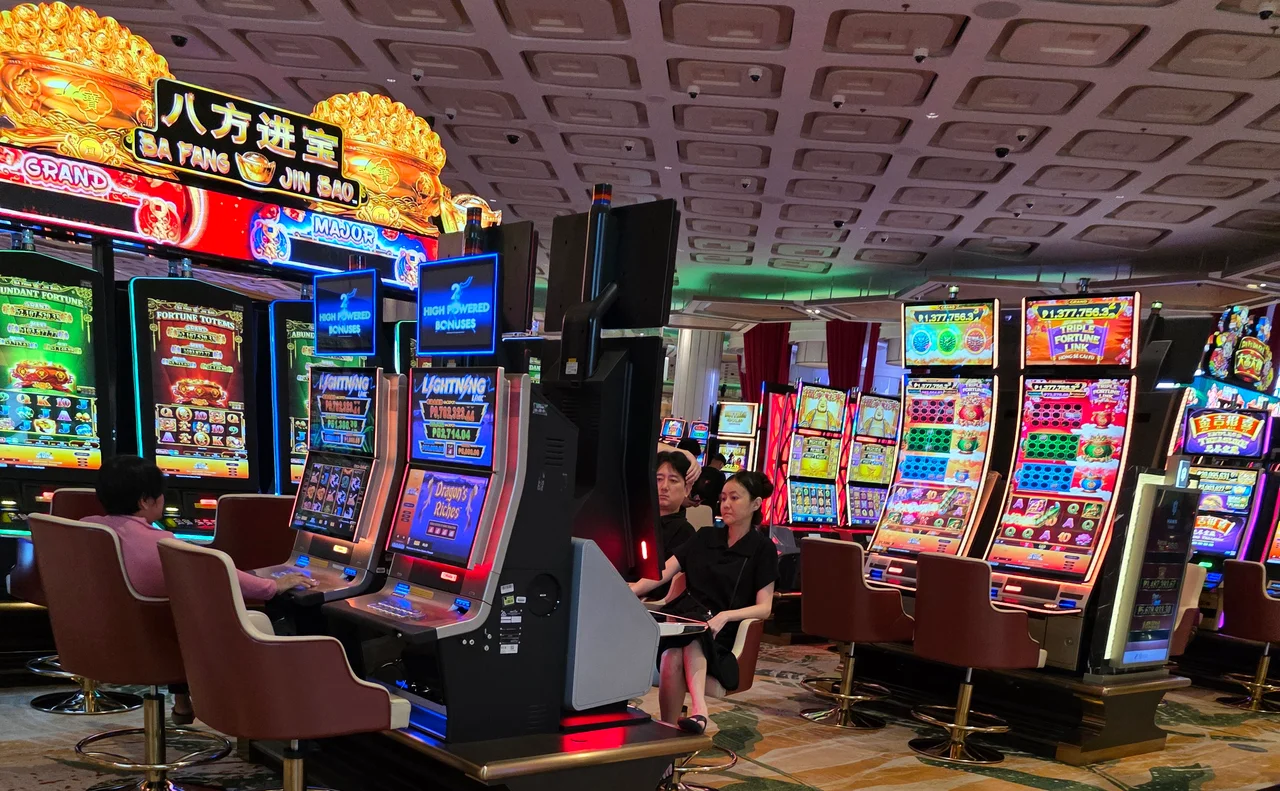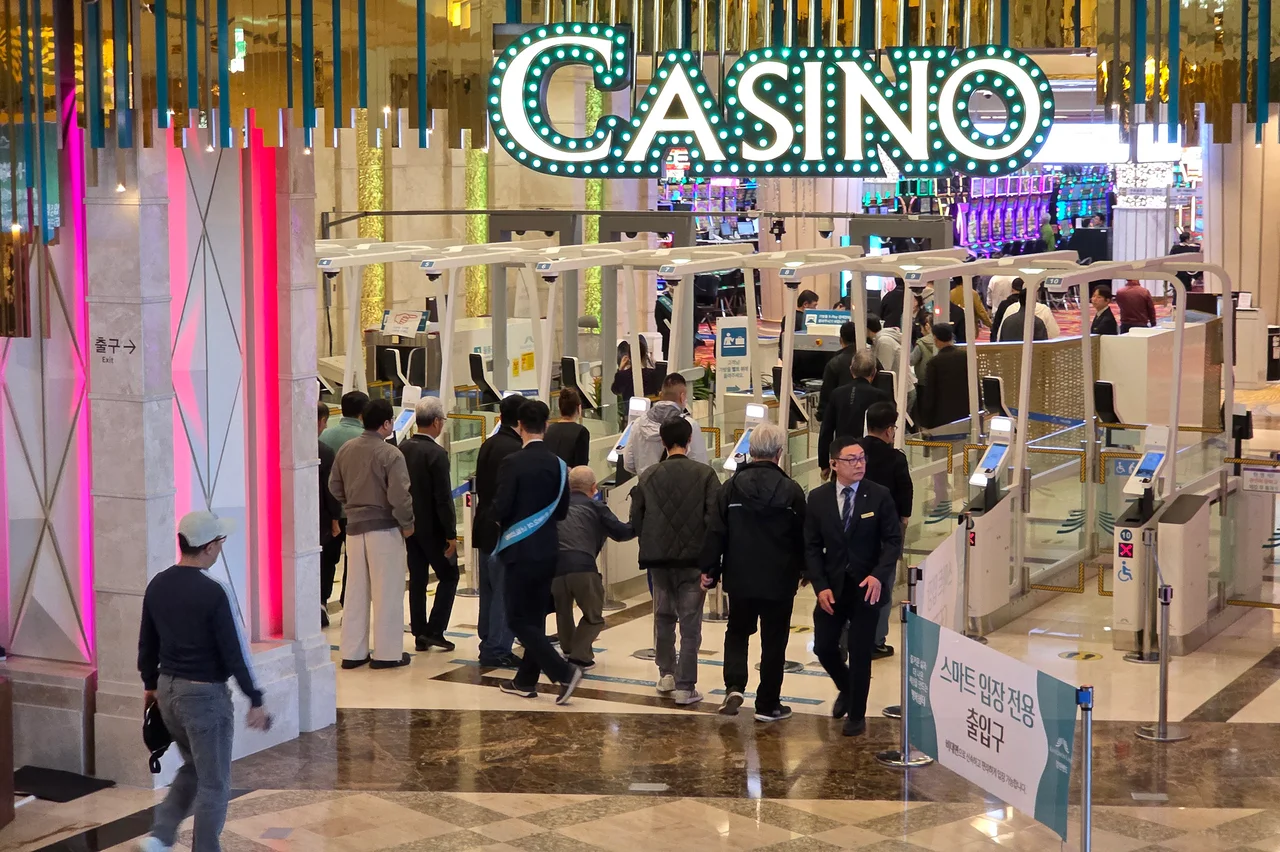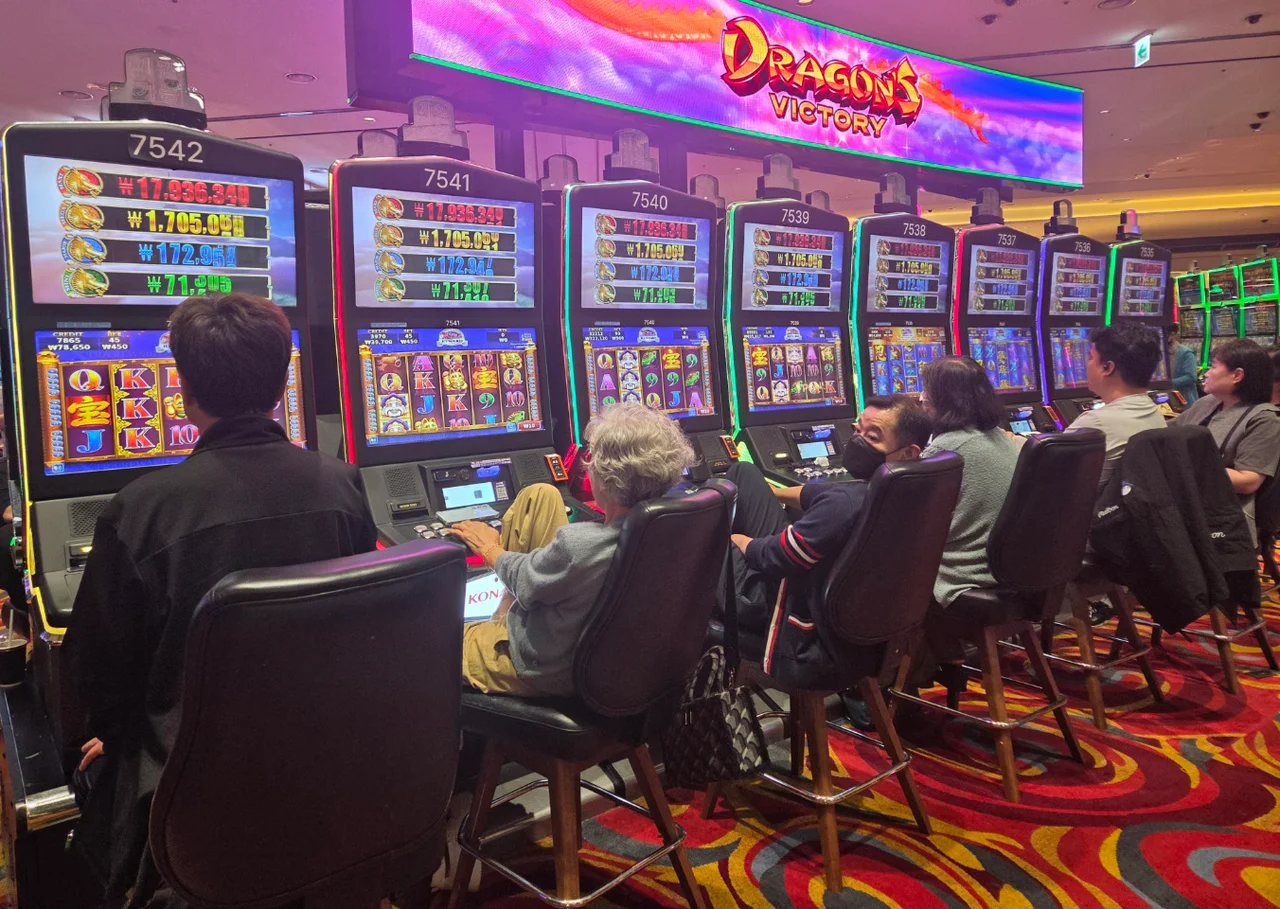
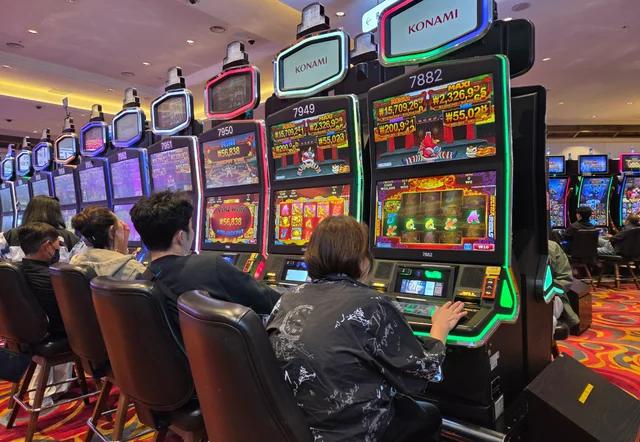
Kangwon Land is generating anticipation as it plans to introduce 200 new, highly sought-after slot machines as early as January or February next year.
In addition, the company is in discussions with the Ministry of Culture, Sports and Tourism to introduce a 'Total Time System,' which would shift the current casino access limit—currently capped at 15 days per month and 30 days per quarter—to a system based on actual usage time, drawing attention to potential regulatory innovation.
According to reports from Tatata Journal on the 30th, Kangwon Land plans to introduce and install 200 new slot machines during the first quarter of 2025 to replace aging equipment and improve customer satisfaction.
A Kangwon Land official stated, "We plan to install the 200 new slot machines as early as January or February next year, and complete the rollout within the first quarter at the latest. We are focusing on securing as many customer-preferred models as possible to expand gaming options."
This rollout involves replacing 200 aging units out of the existing 1,360, meaning the total number of operational machines will not increase.
There is particular interest in how much this will resolve the shortage of popular slot machines, which has long been cited as one of the biggest issues at the Kangwon Land casino.
Currently, out of the 1,360 slot machines operated by Kangwon Land, it is known that only about 350 to 400 are popular models preferred by customers, accounting for approximately 26–29% of the total.
Representative popular models include All Aboard (Train), Diamond 345, Dragon 88, Dragon Victory, Mayan, Moa Gold, Kangwon Land Super Mega, Rat-dori, Prize Disk, Hyper Hit, and K-9.
These popular models face intense competition for seating as players flock to them, while less preferred models often suffer from low utilization rates.
Some customers refer to these unpopular machines as 'junk machines' and have been demanding their replacement with new, popular models.
Specifically, popular slot machines often lead to conflicts between customers due to long usage times and seat hogging, while unpopular models often sit empty, highlighting an imbalance between machine quantity and actual customer demand.
Because of this, customers point out that securing enough popular models is a more realistic alternative for increasing satisfaction than simply increasing the total number of machines.
However, Kangwon Land explains that various domestic casino regulations act as a hurdle in the process of introducing new machines.
A prime example is the 2,000 KRW limit on the maximum bet per spin.
Since opening in 2000, the betting limit has been capped at 2,000 KRW for 26 years, making it difficult to introduce the latest models popular in overseas casinos.
The maximum jackpot is also capped at 990 million KRW, restricting the diversity and competitiveness of gaming products.
Many of the latest models developed by overseas manufacturers require modifications to game programs or separate certification and approval processes to meet domestic betting limits.
A Kangwon Land official explained, "Regulations like the betting limit make it difficult to introduce popular overseas machines. We are discussing regulatory improvements with the Ministry of Culture, Sports and Tourism while aiming to introduce as many new, preferred machines as possible under the current system."
Although Kangwon Land received permission from the Ministry in 2024 to increase its slot machine count from 1,360 to 1,610, this current introduction of 200 new machines is a replacement of old models, not an expansion.
Another point of interest for casino customers is the potential introduction of the 'Total Time System.'
Currently, Kangwon Land limits casino access to a maximum of 15 days per month and less than 30 days per quarter.
It is reported that Kangwon Land and the Ministry are discussing a plan to transition these access limits to a 'Total Time System' based on actual time spent in the casino.
Notably, a plan based on a maximum of 300 hours per month is being discussed as the leading option.
While 300 hours per month is equivalent to 15 days based on the current 20-hour daily operating schedule, it differs from the existing system because only actual usage time is deducted.
Currently, even a brief visit counts as a full day of access, but the introduction of a total time system is expected to improve customer convenience by allowing access based on actual time spent.
However, the specifics—such as whether the 300-hour limit will be applied, detailed operational methods, and quarterly usage limits—have not been finalized and may change depending on the outcome of discussions with the Ministry.
Kangwon Land is reportedly preparing for this by developing a smart access management system.
The introduction of these new slot machines and the discussions regarding the total time system are aligned with Kangwon Land's efforts to strengthen its competitiveness ahead of the 2030 opening of the Osaka Integrated Resort (IR) in Japan.
As the Osaka IR is expected to feature state-of-the-art casino facilities and diverse gaming content, it is pointed out that Kangwon Land urgently needs to improve the gaming environment to a level that customers can truly feel.
In particular, if the current operational structure—where popular machines are scarce and unpopular ones are relatively abundant—is not improved, the effect of introducing new machines will inevitably be limited.
Ultimately, the success of this 200-machine replacement depends less on simply securing new machines and more on how many games customers actually prefer are introduced.
Attention is focused on whether Kangwon Land can resolve the shortage of popular gaming machines and customer complaints through the introduction of new slot machines in the first quarter of next year, and whether regulatory innovations like the total time system will lead to tangible results.