As the Osaka Integrated Resort (IR) in Japan prepares to open in the fall of 2030, concerns are mounting that Kangwon Land, the only casino in South Korea accessible to locals, will suffer a major blow.
There is a high probability that the Osaka IR, with its superior accessibility, facility scale, and service competitiveness, will absorb a significant portion of Kangwon Land’s loyal fan base and high-rolling customers.
Kangwon Land is approximately a 3-hour drive from the Seoul metropolitan area and over 5 hours from the Gyeongsang and Jeolla regions. In contrast, flight times from Incheon, Gimpo, or Gimhae airports to Osaka are only about 1 hour and 40 minutes to 2 hours. While airport transit and immigration procedures must be considered, analysts suggest that when combined with tourism and shopping, Osaka could become a psychologically closer destination.
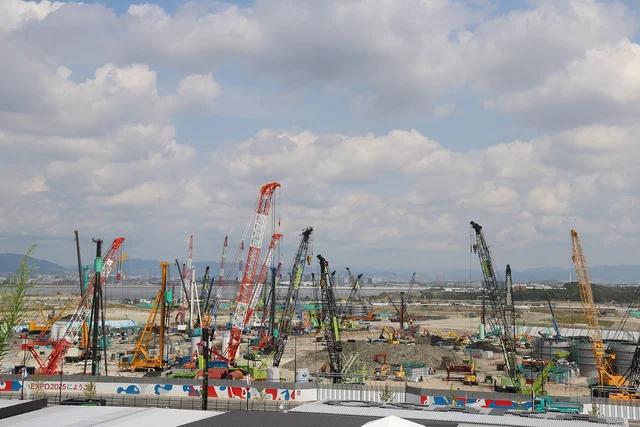
The gap in facilities is also significant. The IR being built on the artificial island of Yumeshima in Osaka will feature a 126-meter-tall, 27-story main tower, 1,840 hotel rooms, a large theater, an international conference hall, and various shopping and cultural facilities.
The casino floor will span 23,293 square meters, housing 470 gaming tables and 6,400 state-of-the-art slot machines. This far exceeds the scale of Kangwon Land, which operates about 200 tables and 1,360 slot machines. With criticism that many of Kangwon Land's slot machines are outdated or lack popularity, the disparity in facility and content competitiveness is expected to become even more pronounced.
Accumulated regulations and user inconveniences are also seen as factors fueling customer attrition. Kangwon Land is subject to restrictions such as a 20-hour daily operation limit, a maximum of 15 days of entry per month, and a 300,000 KRW maximum bet per round. As demand exceeds supply, recurring issues include difficulties with ARS entry reservations, a shortage of gaming seats, and bans on seat rentals.
Some users have also complained that the return rates on slot machines and the perceived frequency of jackpots have decreased compared to the past. While this is a matter that requires verification through objective operational data, critics argue that the deep-seated distrust among customers cannot be taken lightly.
Service competition is another variable. Customers have raised complaints regarding Kangwon Land’s rigid operations, control-oriented staff, and food and beverage quality. Conversely, the Osaka IR is expected to combine Japan’s signature hospitality with MGM’s extensive experience in managing integrated resorts. Curiosity about new facilities, the joy of overseas travel, and the availability of performance, shopping, and gourmet content are also factors that will attract Korean tourists.
Existing analyses from organizations like the Korea Casino Tourism Association suggest that the opening of Japanese IRs could lead to a shift in demand of up to 7.6 million domestic tourists annually, potentially resulting in over 2.58 trillion KRW in domestic spending leaking overseas. However, as these figures include general tourism demand rather than just Kangwon Land customers, the actual impact requires separate, precise analysis.
Kangwon Land is currently pursuing the 'K-HIT Project,' which involves investing 3 trillion KRW by 2035. However, experts point out that simply expanding buildings and facilities will not be enough to fend off the offensive from the Osaka IR.
An official from the Korea Gaming Tourism Professionals Association stated, "The time remaining until the Osaka IR opens is effectively the last golden time for Kangwon Land. Without improvements to unreasonable regulations, the introduction of popular games, and innovation in customer service, not only will there be a decline in customers and revenue, but the economy of the former mining regions could also be severely impacted."