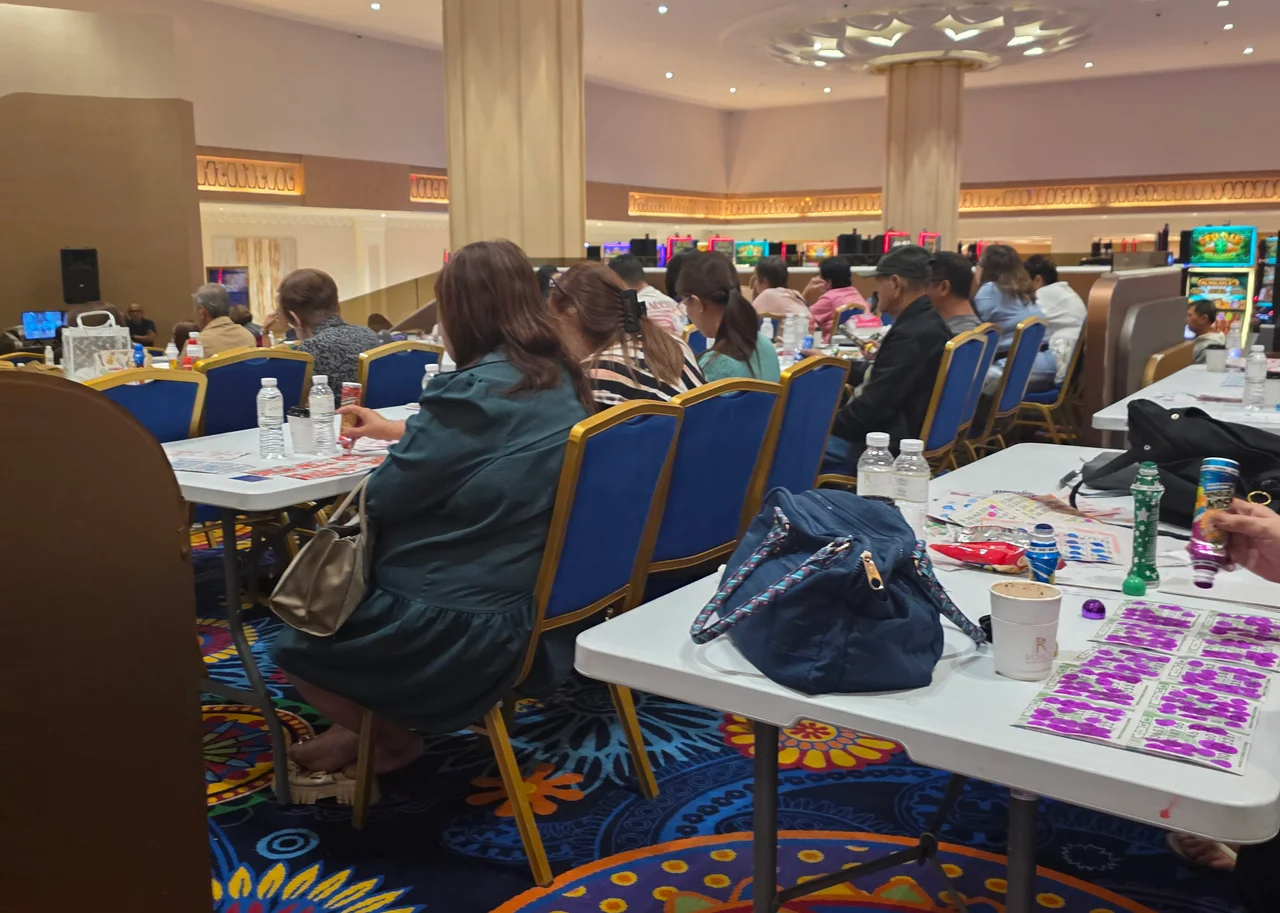
Wanli Casino, a foreign-only casino in the Jeju region, has decided to suspend operations just two months after its reopening due to financial difficulties, sending shockwaves through the casino industry.
In particular, the sudden announcement of a four-month closure—issued to employees by a casino that had just reopened on September 2nd and was actively pursuing large-scale recruitment—has raised significant concerns regarding job security, as the company also signaled the termination of employment contracts and discussions regarding voluntary retirement.
According to an internal notice from GIL SANG CHANG HUI LLC, the operator of Jeju Wanli Casino, on the 28th, the company announced on the 26th that it would cease operations after the 30th and remain closed starting the 31st, citing "financial difficulties and subsequent personnel measures."
In the official notice, the company stated, "As the company faces financial difficulties, we have decided to continue operations until October 30, 2026 [sic], and suspend them starting October 31. The suspension period is expected to be approximately four months."
However, the company did not confirm an exact reopening date, stating that they would provide a separate announcement once a schedule is finalized.
Located within a hotel facility in Tap-dong, Jeju City, Wanli Casino is a foreign-only casino formerly known as Gongzi Casino.
Gongzi Casino ceased operations in early November 2024 and underwent facility renovations and a rebranding before holding a soft opening under the name Wanli Casino on September 2nd of this year.
Casino industry publication GGRAsia reported on August 20th that Wanli Casino was scheduled for a soft opening on September 2nd after about a year of preparations.
At the time, management expressed a vision to move away from the traditional VIP and junket-centered business model, aiming to target general customers and young foreign tourists with a new strategy.
A report on September 29th noted that Wanli Casino operated 44 gaming tables, 30 of which were baccarat tables.
Of the baccarat tables, 18 were dedicated to VIP customers, and the casino was also known to host blackjack, Texas Hold'em poker, and the Chinese card game Niu Niu.
The hotel housing the casino also underwent extensive renovations and reopened as the Sheraton Jeju Hotel on September 14th.
The plan to attract foreign tourists and establish a new growth foundation through the joint reopening of the hotel and casino has effectively hit an unexpected wall of financial distress.
The most notable aspect of this closure announcement is the issue of employee job security.
The company stated that it would review the reasons and procedures for probationary employees with less than three months of service and issue individual written notices to those whose employment will be terminated as of October 31st.
For employees with more than three months of service, the company plans to conduct individual interviews to discuss voluntary retirement based on mutual agreement, with specific conditions and schedules to be announced later.
It was also specified that housing subsidies provided to employees could be canceled or adjusted during the suspension period.
Notably, the operator of Wanli Casino had been conducting a "Large-scale Open Recruitment for Jeju Wanli Casino" via job portals since October 6th, with the application deadline listed as October 31st.
This means a company that was actively recruiting new staff announced a suspension and discussed employee layoffs just 20 days later due to financial difficulties.
However, it remains unconfirmed how many staff members were actually hired, the total number of current employees, or how many individuals will be subject to contract termination or voluntary retirement.
Furthermore, discussions on voluntary retirement do not necessarily mean all employees will be let go; the actual termination of employment and compensation terms will likely be determined through future negotiations and relevant laws.
The sudden closure of Wanli Casino carries significant implications for the Jeju foreign-only casino industry.
While there are eight licensed foreign-only casinos in Jeju, there is a considerable gap in operational scale and customer attraction capabilities among them.
As casino operations centered on large-scale integrated resorts expand, smaller hotel-based casinos face the challenge of securing competitiveness in terms of attracting overseas customers, marketing costs, and human resource management.
Industry analysts suggest that Wanli Casino, despite its attempt to pivot from a junket-heavy model to a general market, likely faced financial difficulties from the very start of its reopening.
The company stated in its notice that it would strive to restore management stability and resume operations as quickly as possible.
However, with even the reopening schedule uncertain, it remains unclear whether the four-month suspension will proceed as planned.
This situation highlights the need for the Jeju casino industry to look beyond superficial increases in tourist numbers and facility investments, and instead focus on the financial health and sustainable operational foundations of individual businesses.
Additionally, attention is focused on how Jeju’s casino regulatory authorities will manage the reporting of the suspension, future reopening plans, the protection of customer assets, and the employment issues of the staff involved.