


A platform for international policy discussion has opened to prepare for the next decade of the Jeju casino industry.
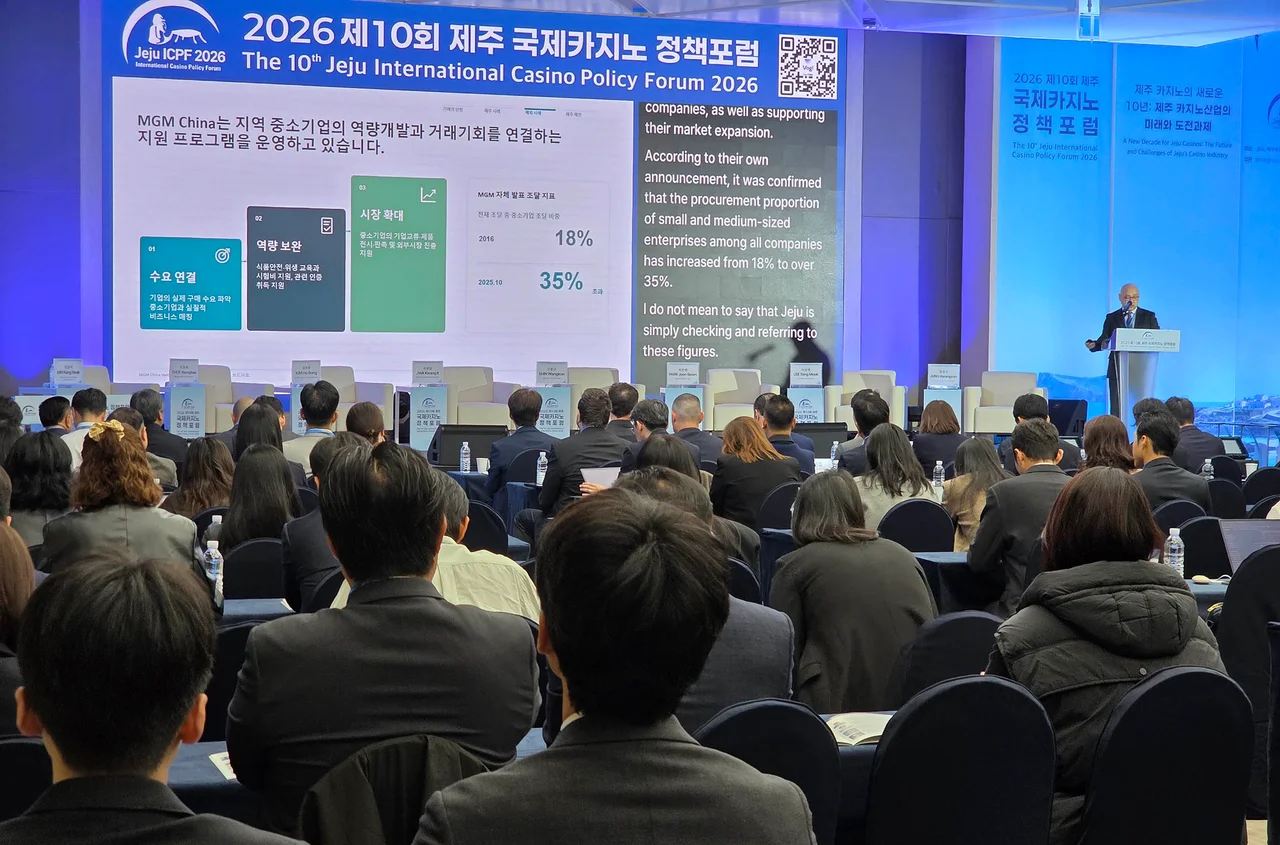
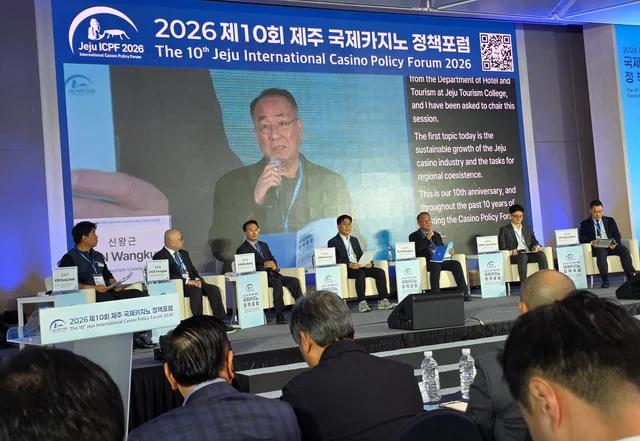
On the 9th, the Jeju Special Self-Governing Province hosted the '2026 10th Jeju International Casino Policy Forum' at the Jeju International Convention Center in Seogwipo. The event focused on sustainable growth, regional coexistence, the cultivation of the integrated tourism industry, and policy responses in the era of Artificial Intelligence (AI).
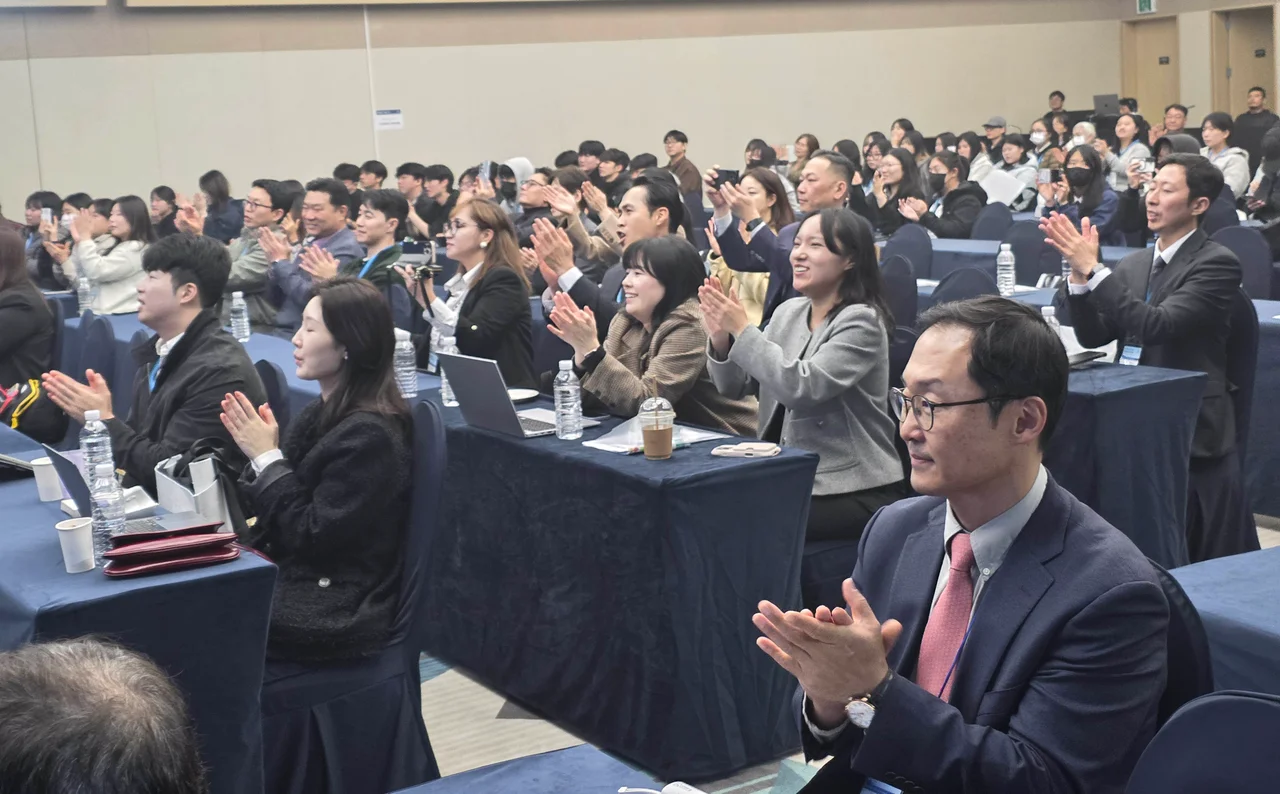
Running for two days until the 10th, this international event is themed 'The New Decade of Jeju Casinos: Future and Challenges of the Jeju Casino Industry,' with approximately 300 participants, including domestic and international experts, industry stakeholders, and civic groups.
This year's forum is particularly notable for shifting focus from mere quantitative growth to regional economic coexistence, integration with the tourism industry, and securing competitiveness through technological innovation.
The first session, titled 'Sustainable Growth and Regional Coexistence Tasks for the Jeju Casino Industry,' discussed ways to increase the industry's contribution to the local economy.
Professor Choi Young-bae of Kyung Hee University's College of Hotel and Tourism Management presented three key directions for coexistence: connecting with the local economy, fostering people and community growth, and sustainable cooperation with local assets.
The discussion highlighted that for the casino industry to grow alongside the local community, it must look beyond simple revenue expansion and adopt a structure that enhances economic ripple effects through local talent recruitment, partnerships with local businesses, and integration with the tourism sector.
Following the presentation, a discussion moderated by Professor Shin Wang-keun of Jeju Tourism University included representatives from civic society, the labor sector, the Jeju provincial government, and the casino industry.
The second session, 'Casino Integrated Tourism and Expansion into the Tourism Entertainment Industry,' explores the potential for merging casinos with lodging, shopping, performances, and culture.
The global casino industry is moving away from traditional game-centric models toward large-scale Integrated Resorts (IRs) that combine tourism, culture, and entertainment.
In major casino tourism hubs like Las Vegas, Singapore, and Macau, non-gaming sectors such as hotels, conventions, performances, and shopping have become essential competitive factors for attracting tourists and encouraging extended stays.
Analysts suggest that Jeju must also move beyond a game-facility-focused approach to strengthen integrated tourism strategies that increase the length of stay and spending of foreign tourists.
The third session, 'The Era of AX (AI Transformation): Future Prospects and Policy Responses for the Casino Industry,' examines the impact of AI and digital technology on the industry.
AI technology offers increasing potential in areas such as casino operations, customer management, security, and oversight systems.
However, challenges such as personal data protection, responsible gambling management, digital security, and the retraining of professional staff remain critical policy considerations.
The forum also features participation from the Nevada Gaming Control Board and the Philippine Amusement and Gaming Corporation (PAGCOR) to share international regulatory policies and industry trends.
Additionally, Moon Sung-jong, Chairman of the Jeju Casino Business Supervisory Committee, reflects on the achievements and future direction of the forum over the past decade.
Side events during the forum include a job fair featuring six local Jeju casino operators, exhibitions of casino gaming equipment, table game demonstrations, and a display of Jeju tourism souvenirs.
The Jeju International Casino Policy Forum, which began in 2016, has grown into a major international policy exchange platform, with over 2,150 participants from 10 countries, including the US, Singapore, Macau, and Hong Kong, attending over the past nine years.
However, experts point out that for the forum to lead to tangible industrial progress, follow-up measures to concretize policy and institutional improvements are essential.
In particular, the Jeju casino industry faces the task of simultaneously pursuing foreign tourist attraction, revenue growth, contribution to the local economy, improvement in job quality, industrial competitiveness, and the creation of a healthy gaming environment.
The future competitiveness of the casino industry is no longer determined solely by revenue or the size of gaming facilities. The quality of the experience provided to tourists, the level of contribution to the local community, and the ability to adapt to changing technologies and international competition are emerging as the new key performance indicators.
As the Jeju International Casino Policy Forum marks its 10th anniversary, all eyes are on whether it can serve as a catalyst for a practical policy shift that prepares the industry for the next decade.