The essence of a casino is hard to explain as just a "gambling den." On one hand, it is a dangerous space that can ruin people, while on the other, it can be a space for leisure and entertainment under strict self-control. Therefore, the modern casino industry has evolved into a massive "human behavior laboratory" that combines psychology, behavioral economics, architecture, lighting, acoustics, fragrance, and data analysis.
In particular, the global casino industry—including projects in Las Vegas, Macau, Singapore, Japan's IR, and Middle Eastern integrated resorts—is now focusing more on "stay experience" and "immersion design" than on "games."
The core of this is 'Sensory Marketing.'
A space that designs human instinct
Every system in a casino is tailored to make customers stay "just a little longer." It precisely stimulates the five senses to make customers forget the time, blur their sense of money, and become more immersed in the flow of the game than in reality.
- Olfactory Marketing
Using scent to relax and increase stay time
The scent of a casino is not a coincidence.
Large casinos develop brand-specific scents (Aroma Identity) through professional fragrance marketing companies. Although customers may not be conscious of it, certain scents have the effect of lowering anxiety and increasing the duration of their stay.
Key characteristics:
Uses floral, fruity, and vanilla notes; blocks cigarette odors; relieves tension; reduces fatigue; and reinforces the image of a "high-end space."
In particular, some Las Vegas casinos use different scents for different zones.
Example: VIP Room → Woody/Musk notes
Slot Zone → Bright and sweet scent
Hotel Lobby → Luxury scent
Some studies have even reported cases where slot machine revenue increased when specific scents were used.
- Auditory Marketing
The illusion that "someone is always winning"
The most important sound in a casino is the "sound of victory."
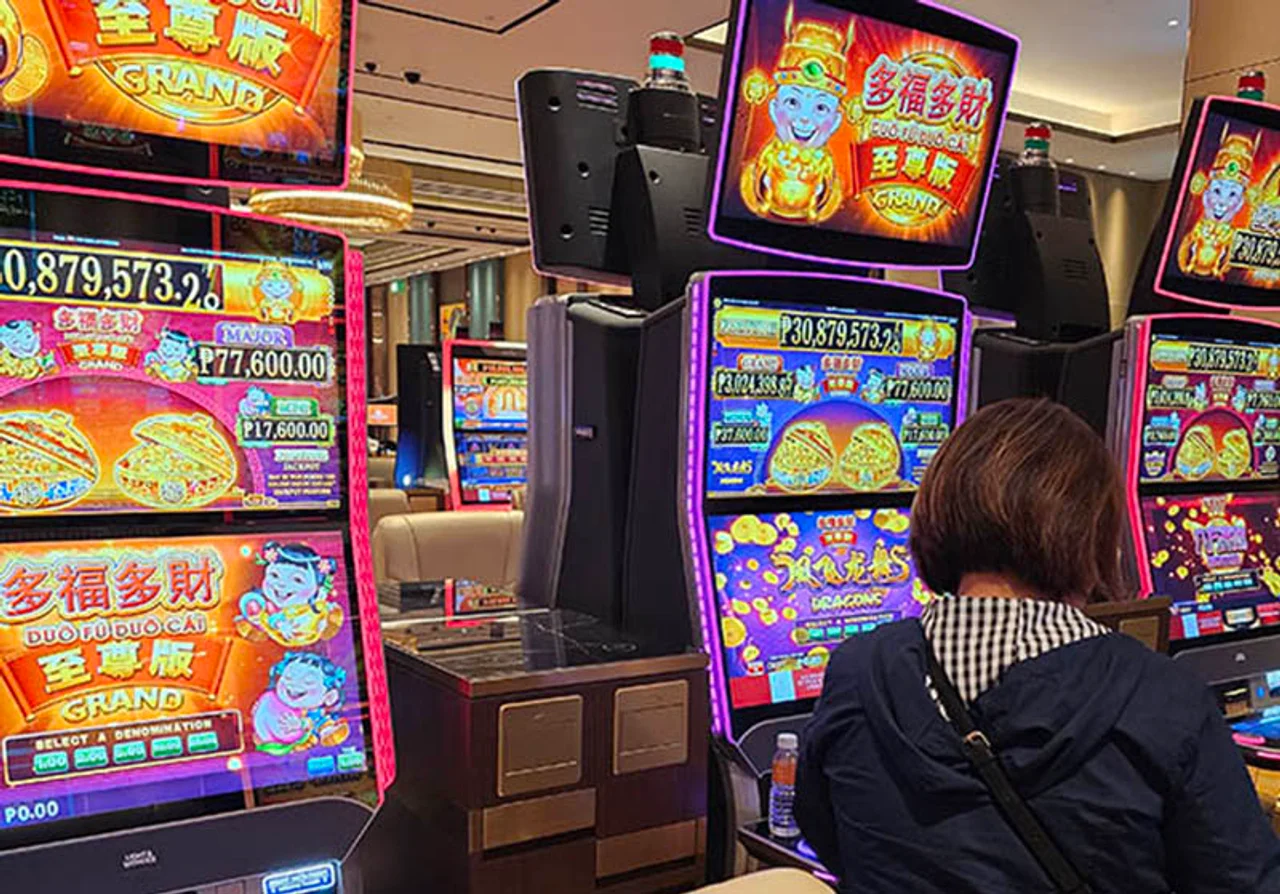
Slot machines produce flashy sound effects for even small bonuses, regardless of the actual win size.
Example: Sound of coins pouring, jackpot sirens, cheers, electronic beeps, and the dealer's fast calls. These sounds stimulate the brain's dopamine response.
The important point is: "It makes you feel like even if you are losing, someone nearby is constantly winning."
Modern slot machines are specifically designed by calculating music BPM, sound effect frequencies, and button response speeds.
Even in the digital casino era, some casinos insist on keeping the "sound of falling coins" to stimulate the primal human instinct for reward.
- Visual Marketing
Space design that erases the real world
Casinos have common features.
No windows, no clocks, no natural light; this is the so-called "3-No Strategy."
The purpose is to erase the sense of time and disconnect from the outside world.
The secret of the flashy carpet
Casino carpets are intentionally complex and dazzling.
Why?
Common interpretation: Inducing visual fatigue, weakening sense of direction, lowering sense of reality, and strengthening focus on the game.
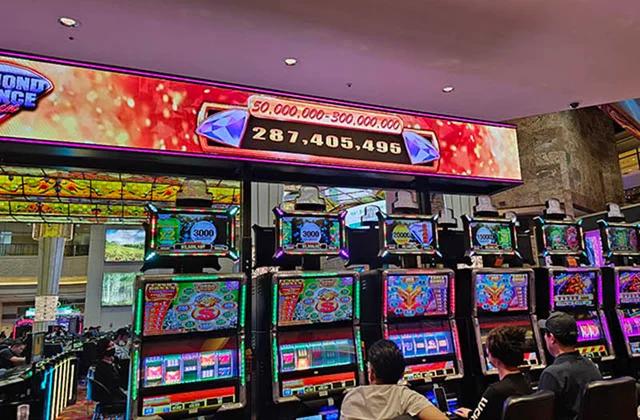
In particular, the slot machine area uses many dopamine-stimulating colors such as red, gold, purple, and neon tones.
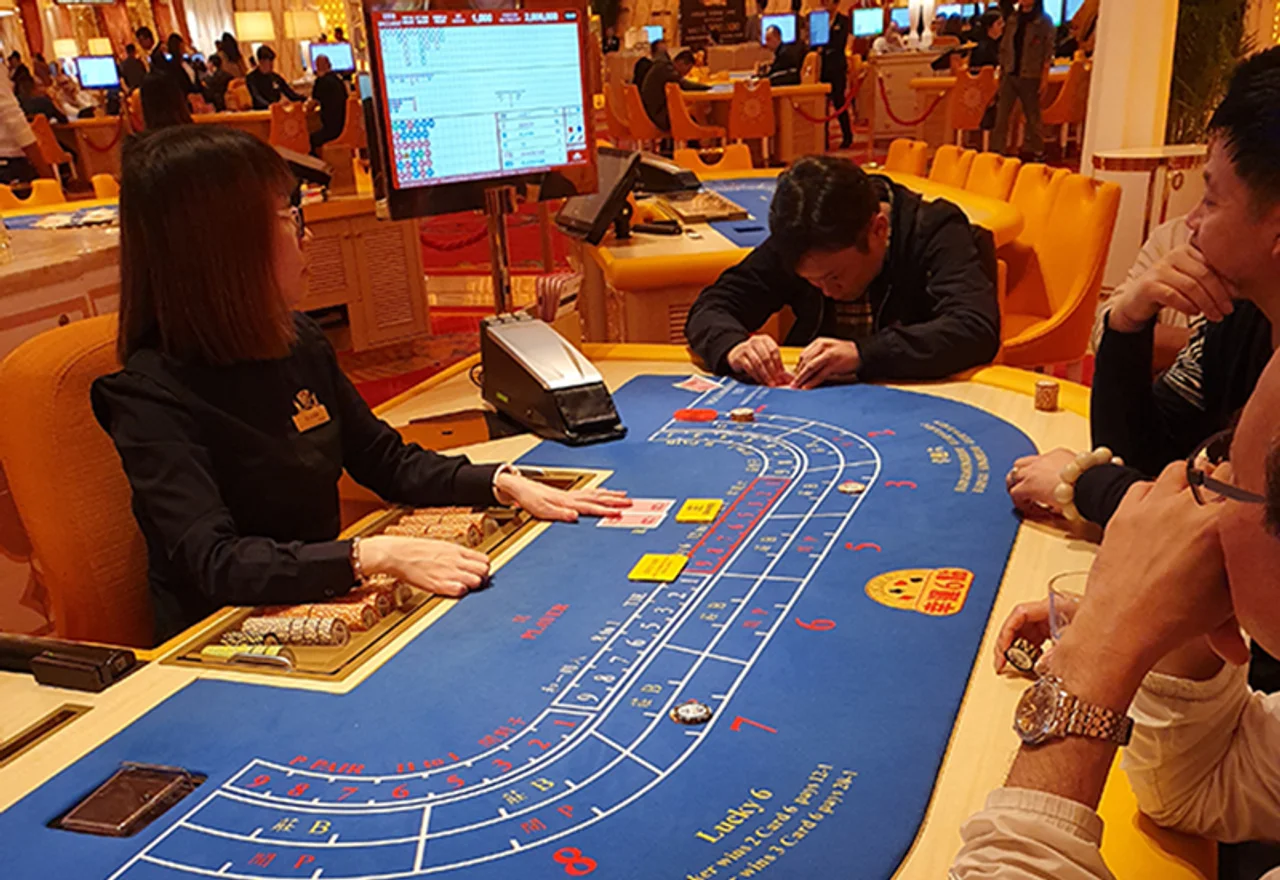
Conversely, high-stakes VIP rooms create a "controlled luxury" atmosphere with dark tones, quiet lighting, and stable interiors.
- Tactile Marketing
Feeling like you are "playing a game," not spending money
Casino chips are not just pieces of plastic.
Their weight, material, and even the sound they make are calculated.
Using chips reduces the reality of cash.
In other words: It gives the feeling of "using game points" rather than "losing money."
Slot machine buttons are also designed with click pressure, vibration, touch response, and the "feel" of the lever in mind.
Recently, electronic slots have even incorporated mobile game UX.
- Gustatory Marketing
Free drinks are not a service, but a strategy
Providing free drinks in a casino is not just a service.
Core purpose: Increasing stay time, relieving tension, lowering judgment, and inducing continued consumption.
In particular, alcohol is linked to increased risk-taking, weakened self-control, and expanded betting.
Conversely, VIP customers are provided with high-end whiskey, premium meals, and exclusive lounges to reinforce the feeling of being "specially treated."
- Casino Marketing in the Era of Data and AI
Now, Five Senses + Algorithms
Modern casinos are evolving beyond simple sensory marketing into AI-based customer analysis.
Casinos analyze stay time, game patterns, betting tendencies, movement paths, spending amounts, and preferred slots in real-time.
In particular, large casinos in Macau and Las Vegas have highly developed VIP Customer Relationship Management (CRM) systems.
They even manage data on when a customer feels fatigued, makes a large bet, or is about to leave.
- Sensory Marketing in the Online Casino Era
Online casinos are also digitizing offline techniques.
Example: Actual casino background sounds, live dealers, flashy animations, "near-miss" effects, real-time chat cheers, and continuous bonus effects.
In particular, 'avatar games' or live casinos try to recreate the tension and immersion of a real casino as much as possible.
The Two Faces of a Casino
Casinos are spaces where stress relief and leisure for some, and uncontrollable downfall for others, exist simultaneously.
Therefore, what is important is not "not knowing about casinos," but "understanding how casinos design human psychology."
If you understand the principles of sensory marketing, you can see the structure more objectively: why time passes quickly, why you keep pressing buttons, and why it is hard to stop even after losing.