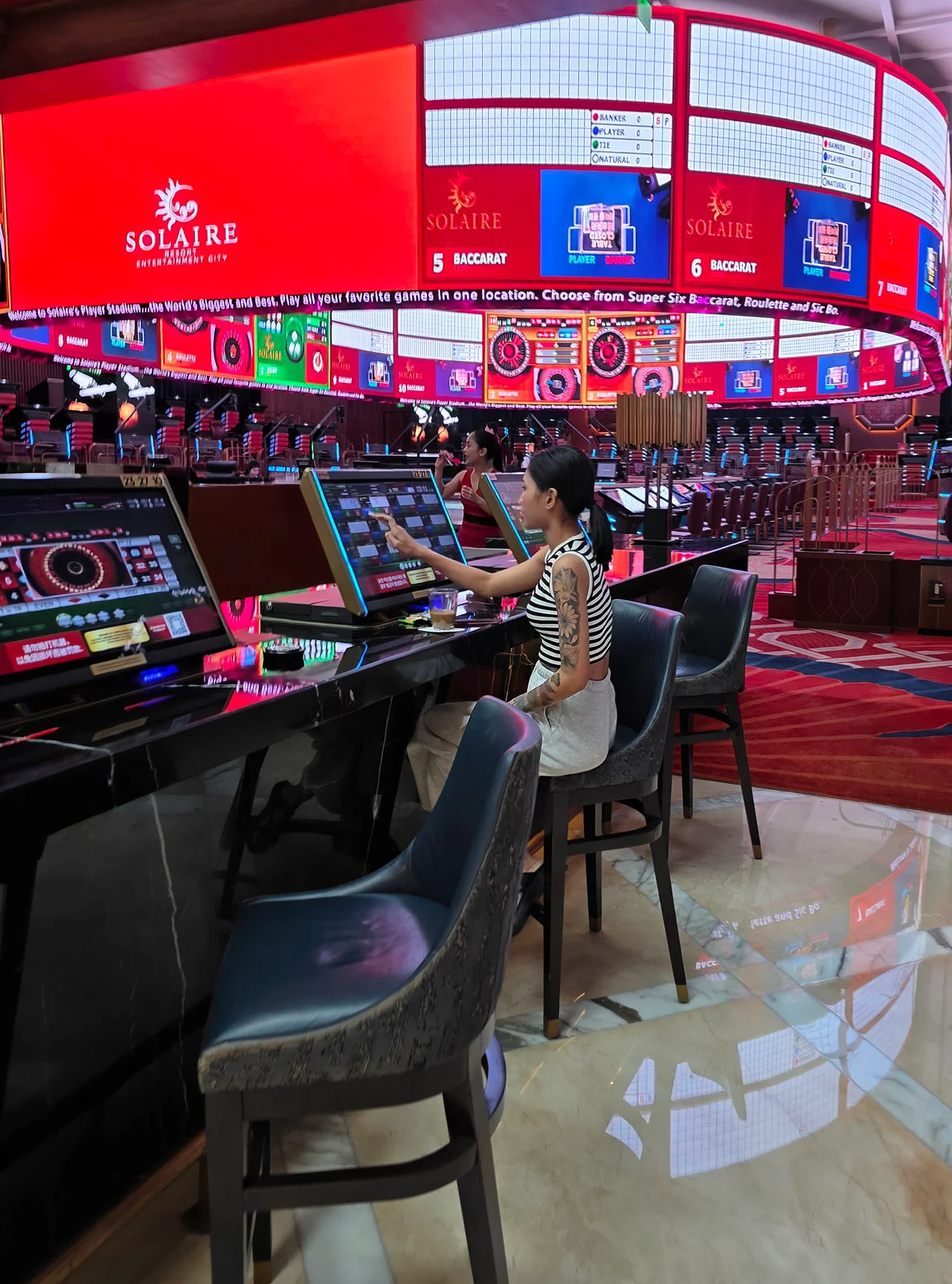
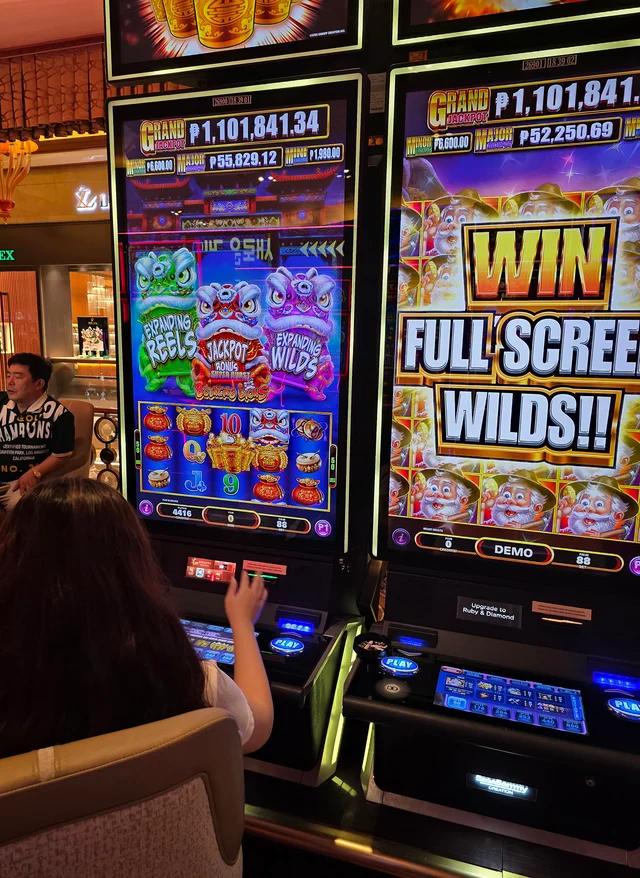
From Golden Throne to the Streets: The 'Heaven and Hell' of Chul-soo, the Casino Drifter
The nights in Ansan smelled like money.
In the alleys filled with the relentless electronic beeps of arcade machines, mixed with the sighs, cheers, and curses of people, Chul-soo (52, pseudonym) was once called the 'Emperor.'
Originally from Yeosu, Jeollanam-do, he operated five adult arcades in Ansan, Gyeonggi-do. He only opened shops in so-called 'gold mine' locations where customers flocked.
When business was booming, a single shop would bring in nearly 10 million won a day. With five shops, his daily revenue reached tens of millions of won.
To Chul-soo, cash at that time felt more like a commodity than money.
Staff counted stacks of cash, and he would shove them into sacks to transport them. Seeing the piles of money after a day's work brought him a strange sense of pleasure rather than fatigue.
“Back then, money didn't feel like money. If it disappeared today, it would just come back tomorrow.”
He had 12 employees.
Chul-soo hated monthly salaries.
“This is a business that could close any day; how can there be a salary?”
He paid his staff 150,000 won in daily wages. Even including food and snack expenses, a significant amount went out every day, but he didn't mind.
There were times he would hand 1 to 2 million won to a customer who was devastated after losing 10 million won at his arcade.
“Go have a drink of soju and head home.”
That money was known in the industry as 'Pojji' (a small consolation tip).
A strange world where you hand money back to someone who just lost it.
Chul-soo thought he understood the physiology of that world better than anyone.
Just by looking at the expressions of gamblers, he could tell if they were winning or losing. He had watched countless times as greed grew and as people collapsed because they couldn't cut their losses.
That’s why he believed that he, at least, would never fall into gambling.
That belief was shattered at Kangwon Land.
■ “Is making money this easy?”
Early winter, 2026.
Chul-soo went on a ski trip to High1 Resort with his wife.
After spending the day carving through the white snow, he wandered into the casino out of curiosity.
Having run arcades for years, Chul-soo didn't think the casino would be an unfamiliar space.
The games were different and the scale was larger, but he considered it the same in that it dealt with human greed.
He found two seats in the gaming hall.
And he started playing without much tension.
Two hours later, he had a profit of 5 million won.
The thought that crossed Chul-soo’s mind in that moment was simple.
‘So, making money is this easy.’
At the arcade, he had to manage staff. He worried about crackdowns. He had to handle machine malfunctions. If a customer got into a fight, he had to step in.
But the casino was different.
He just sat in a chair and pushed a few chips, and the money multiplied.
Those 5 million won that day became the most expensive money in Chul-soo’s life.
After that, he visited Kangwon Land frequently.
At first, it was a trip.
Then, it was for fun.
Then, he came to win money.
Then, at some point, he started going to the casino to win back the money he had lost.
The man who knew the typical trajectory of gambling addicts better than anyone failed to notice his own downfall.
Running his arcades in Ansan became a secondary priority.
He felt annoyed when staff called.
“Handle it yourself.”
As the time he spent playing in the casino increased, his businesses faltered.
One closed, then another was liquidated.
When he ran out of cash, he used credit cards.
With good credit, Chul-soo used multiple cards.
He maxed out his limits.
He borrowed money from people around him.
He even sold his businesses.
By his own calculation, the money he poured into the casino and gambling reached about 2 billion won.
The man who once moved tens of millions of won a day ended up empty-handed.
■ A cheap room in the Philippines
Chul-soo left Korea.
He fled to the Philippines as if running away.
At first, it was hard to accept the reality that he had lost 2 billion won.
“How did I end up like this?”
He even thought about ending his life at one point.
He attempted extreme choices several times but survived.
Later, he described those days like this:
“I don't think I wanted to die; I think I wanted to run away.”
After surviving, the problem of how to make a living remained.
He worked in the Philippines around the casinos doing so-called 'avatar gaming.'
It was a job where he placed bets on behalf of someone else based on their instructions.
500 pesos per hour.
He sat at the casino table from early morning until late at night.
The man who used to bet tens or hundreds of millions of won with his own money was now placing bets for others for a few thousand won an hour.
His accommodation was a cheap room with shared facilities.
It was hard to even get proper meals.
There were times he survived on a few packs of ramen for days.
The man who used to give millions in tips in Ansan was now worrying about his next meal.
Ironically, one of Chul-soo’s strengths resurfaced in that rock-bottom life.
It was diligence.
He didn't complain even when sitting at the table all day.
He silently performed the games he was instructed to play.
An elderly couple who watched him took notice.
With their help, Chul-soo was able to go to Macau.
And there, he got another chance to turn his life around.
■ The night 8.5 million won became 700 million won
The money Chul-soo started with in Macau was 8.5 million won.
That money started to grow.
10 million won.
30 million won.
100 million won.
The game went strangely well.
Chul-soo didn't stop.
And eventually, he had about 700 million won in his hands.
To a man who had lost 2 billion won and hit rock bottom in the Philippines, 700 million won was not just money.
It was money for a fresh start.
He could pay off some of his debts.
He could return to Korea and start a business again.
Chul-soo knew that fact, too.
“Let’s end it here.”
He checked for a flight to Korea.
But as luck would have it, it was the weekend.
There were no tickets.
In his haste, he took a helicopter to Hong Kong.
It cost hundreds of thousands of won just for that.
He couldn't find an economy seat in Hong Kong either.
The only seats left were business class.
The price was about 4.5 million won.
At that moment, a strange calculation began in Chul-soo’s mind.
‘4.5 million won for one plane ride?’
He had 700 million won in his hands.
He was a man who had bet tens of millions of won per round in the casino.
But he begrudged the 4.5 million won for the plane ticket.
In the end, he didn't buy the ticket.
He went back to Macau.
That choice became the most expensive 'saving' in his life.
Back in Macau, Chul-soo sat in front of the casino table again.
‘Just a little more.’
That thought was always the beginning of ruin.
Some of the 700 million won started to dwindle.
He tried to leave after winning back only what he had lost.
He lost again.
The stakes got higher.
He got stubborn.
A few hours later, the 700 million won was gone.
The man who tried to save on a 4.5 million won plane ticket lost 700 million won.
He would later recall that scene countless times.
“If only I had bought that plane ticket…”
But the word 'if' is useless in a casino.
■ Back to Kangwon Land
Chul-soo eventually returned to Korea.
And headed back to Jeongseon.
Ironically, it was the place where all his downfalls began.
A former boss who once ran multiple businesses in Ansan.
A man who paid daily wages to 12 employees and handed millions to customers who lost big.
He has now become a person who survives day by day around Kangwon Land.
Around the casino, such long-term residents are commonly called 'drifters.'
When they run out of money to play, they ask acquaintances for help, run errands, and sometimes spend their days wandering in and out of the casino.
Chul-soo has also become one of them.
The winter in Sabuk is cold.
When the sun sets, the wind coming down from the mountain valleys bites at your collar.
Walking those streets, Chul-soo sometimes talks about his days in Ansan.
The arcade that brought in tens of millions of won a day.
The sacks of cash.
The staff.
And the days when he would hand 2 million won to a customer who lost 10 million won.
To those listening, it might sound like bragging.
But to Chul-soo, it is a past that actually existed.
Sometimes he talks about Macau, too.
“If I had just bought that 4.5 million won ticket back then, my life would have been different.”
Then he stops speaking for a long time.
But what destroyed his life wasn't a single 4.5 million won plane ticket.
It was the memory of the first day he easily won 5 million won.
The belief that he could definitely win back the lost money.
And the greed that he could do it just one more time.
The casino gave Chul-soo many chances.
It gave him the luck of 5 million won, and the miracle of 700 million won.
But every time, he accepted it not as a 'chance to end it,' but as a 'chance to earn more.'
That difference pushed a man who once sat on a golden throne to the winter streets of Sabuk.
Chul-soo walks around Kangwon Land again today.
The flashy casino lights still illuminate the mountain valley night.
Under that light, someone wins money and cheers, and someone prepares for the next round, vowing to win back what they lost.
Chul-soo watches them for a long time.
And says in a low voice.
“Winning is the most dangerous part. I didn't fail because I lost; I failed because I won too easily at the beginning.”
For the man who was once the emperor of Ansan, all that remains now are debts and memories.
The money that once danced in his hands has all disappeared.
But the casino’s temptation that 'the next time will be different' still lingers around him.
Heaven and hell were not far apart.
For Chul-soo, that distance was as close as one casino table, and the single thought of 'just one more round.'