With the Osaka Integrated Resort (IR) in Japan currently under construction and aiming for an autumn 2030 opening, unverified information regarding junket room operations and currency exchange business contracts is spreading throughout the Southeast Asian casino industry, raising concerns about potential investment fraud.
In particular, rumors are circulating among Korean expat communities and casino-related workers in the Philippines, Vietnam, and Macau that certain individuals have secured junket room operation contracts or currency exchange rights from MGM Osaka.
It has even been reported that some are soliciting investments from individuals, claiming they can participate as partners in the Osaka casino junket business.
As of the 26th, reports from the Tatata Journal indicate that while these contract rumors are being spread by word-of-mouth among some casino insiders and junket operators, there is no objective evidence such as actual contracts or approved business licenses to support these claims.
Furthermore, looking at Japan's casino regulatory framework, it is difficult to apply the existing Southeast Asian junket room operation model directly to the Osaka IR.
Therefore, investing or providing funds based on unverified business contract rumors can carry significant risks.
Who Secured the Osaka Junket Rooms? Unverified Contract Rumors
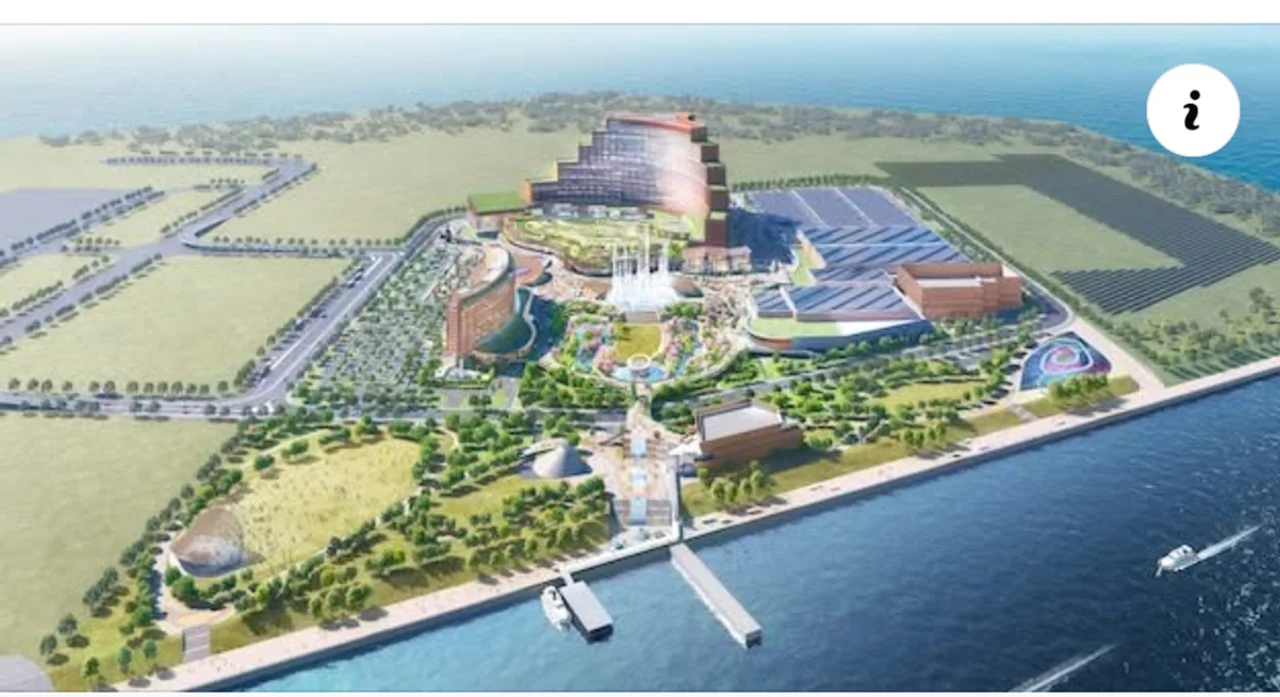
Osaka IR is Japan's first integrated casino resort, spearheaded by MGM Osaka, which includes participation from U.S.-based MGM Resorts and Japan's Orix.
Construction began in earnest in April 2025, with a target opening in autumn 2030. The facility will include approximately 2,500 hotel rooms, a casino, international conference and exhibition facilities, shopping malls, and performance venues.
The total project cost is estimated at approximately 1.513 trillion yen (about 15 trillion KRW).
Although there are still about four years left until the opening, interest in casino operations and related businesses targeting Korean customers is already rising within the overseas casino industry.
In particular, some overseas casino figures who have previously secured Korean VIP customers are reportedly spreading rumors that they have already cornered the market on junket and currency exchange rights for the Osaka IR.
However, no facts supporting these claims of Korean-held junket or currency exchange contracts can be found in official announcements from MGM Osaka or public documents from the Japan Casino Regulatory Commission.
In a situation where the contracting parties, business details, amounts, and licensing status are not publicly verified, one should not assume that any specific individual has secured such business rights.
Japanese Casinos: Different Operational Structure from SE Asia Junkets
'Junket' refers to a business model where operators recruit and arrange VIP customers for casinos and receive commissions from the casino operator.
In the past, Macau and Southeast Asian casinos widely used a method where junket operators effectively ran specific VIP rooms independently, handling everything from customer recruitment to providing credit for gaming funds and settlements.
However, in the process of introducing the casino industry, Japan has established a strict regulatory framework to ensure fairness in game operations, prevent money laundering, and block the intervention of criminal organizations.
According to the Japan Casino Regulatory Commission, the principle is that core casino operations must be managed directly by the casino operator, and outsourcing to third parties is prohibited except for a few limited areas.
Major casino-related contracts are also subject to review regarding the reliability of the operator and the contract terms, and in certain cases, require approval from the Casino Regulatory Commission.
Financial tasks such as lending and remittances within the casino are also under strict control.
This means there is a significant difference from the existing Macau-style junket operations, where overseas junket operators raised funds to run VIP rooms and provided credit to customers.
Therefore, if you hear claims that someone can open a junket room or operate a currency exchange at a Japanese casino, you must first verify whether the business is permitted under Japanese law and whether there is a valid contract with the official operator and the necessary permits.
The Macau Casino Emperor's Junket System and the Fall of Suncity
Junket room businesses are closely tied to the growth of the Macau casino industry.
Stanley Ho (1921–2020), known as the 'King of Macau Casinos,' developed the VIP room and junket operator system to attract high-end customers and expand gaming revenue based on his monopoly on casino licenses.
In particular, the VIP room and rolling chip commission system that developed in Macau in the 1970s and 1980s later spread as a major business model for the Asian casino industry.
Junket operators played a crucial role between casinos and customers by recruiting high-net-worth individuals and providing credit.
However, issues regarding illegal credit transactions, money laundering risks, illegal gambling, and capital flight by some junket operators were continuously raised.
As the Chinese government under Xi Jinping strengthened anti-corruption policies and crackdowns on overseas gambling capital outflows, major changes occurred in the Macau junket industry.
In particular, the industry was shocked in November 2021 when Alvin Chau (Chinese name Zhou Zhuohua), founder of Suncity Group, one of the world's largest junket operators, was arrested.
In 2023, Alvin Chau was sentenced to 18 years in prison for charges including illegal gambling and running a criminal organization.
Suncity Group's VIP room operations were halted, and the Macau junket market shrank rapidly.
However, Macau did not completely abolish the junket system.
The Macau government significantly overhauled the system by strengthening licensing and contract regulations for junket operators and banning the sharing of casino revenue.
As of March 2026, there are 31 licensed junket operators, but unlike in the past, they are restricted to operations focused on customer referral fees under the control of the casino operator.
Notably, as of August 2024, regulations were changed to allow only casino operators to provide gaming credit to customers.
Macau's case demonstrates how much risk can be faced when regulations and compliance are neglected simply because a junket business is highly profitable.
'Partner with Us for Cash': Beware of Business Right Impersonation
The most concerning aspect of the contract rumors surrounding the Osaka IR is the possibility of demands for money based on unverified business rights.
Unlike general tourism businesses, casino-related businesses are subject to various regulations regarding operation rights, business contracts, financial transactions, and customer recruitment.
In particular, even if a specific individual claims to have signed a contract with MGM or secured junket room operation rights, one should not judge the authenticity based solely on verbal explanations, business cards, or the status of the introducer.
Even if a contract is presented, one must verify the actual signing authority of the operator, the contract terms, legality under Japanese law, and necessary permits.
The same applies to rights to recruit Korean VIP customers, exclusive agent contracts, and pre-investment solicitations, not just for junket rooms and currency exchanges.
It has not been confirmed whether the individual contract rumors currently circulating in the industry constitute actual fraud.
However, if someone demands investment or contract deposits based on officially unverified contracts, there is a high possibility of damage, so extreme caution is required.
In particular, it is essential to verify the facts regarding any promotional activities that use the name of the Osaka IR or the MGM brand as if they have secured official business rights.
Osaka IR: A New Opportunity and Risk for the Casino Industry
The opening of the Osaka IR is expected to significantly impact the competition for customer acquisition in the Asian casino industry, including Japan, Korea, Macau, the Philippines, and Vietnam.
Considering the demand for Japanese travel among Koreans and flight accessibility, interest is bound to focus on marketing and tourism product development targeting Korean casino customers.
However, one must strictly distinguish between actual business opportunities and groundless rumors of securing business rights.
In particular, if a junket operator claims to be recruiting investors under the guise of a contract with a casino operator or promises future profits, one must first verify the business details, permits, and the authenticity of the contract.
Japanese casinos have a different regulatory framework than existing Southeast Asian casinos.
Even if one has experience running junket rooms in overseas casinos, it does not guarantee the qualification to perform the same business in Osaka, Japan.
As there is still time until the Osaka IR opens, caution is needed regarding the situation where unverified stories—such as securing business rights or signing exclusive contracts—are being reproduced as if they were facts.
What the casino industry should focus on is not rumors about who grabbed the junket room first, but the existence of an actual contract and its legality under Japanese law.
One should avoid investing based solely on the word of someone claiming they have a contract with MGM or that one can partner in the Osaka casino business by investing money.
This is because the anticipation surrounding the massive business opportunity of the Osaka IR can lead to new investment losses when combined with unverified information.