A money laundering ring suspected of laundering 28.7 billion won stolen from 555 investment fraud victims through domestic casinos, including Kangwon Land, has been apprehended by police. This case, involving the laundering of criminal proceeds from an overseas investment fraud organization, has highlighted the urgent need for tighter oversight of high-value transactions and chip exchange processes.
On the 15th, the Busan Metropolitan Police Agency's Metropolitan Investigation Division announced that they had apprehended 54 individuals on charges including violations of the Act on Refund of Damage from Telecommunications Financial Fraud, the Act on Regulation and Punishment of Criminal Proceeds Concealment, and the Electronic Financial Transactions Act. Among them, 14 people, including the 50-year-old domestic ringleader identified as 'A', were referred to the prosecution under arrest, while the remaining 40 were referred without detention.
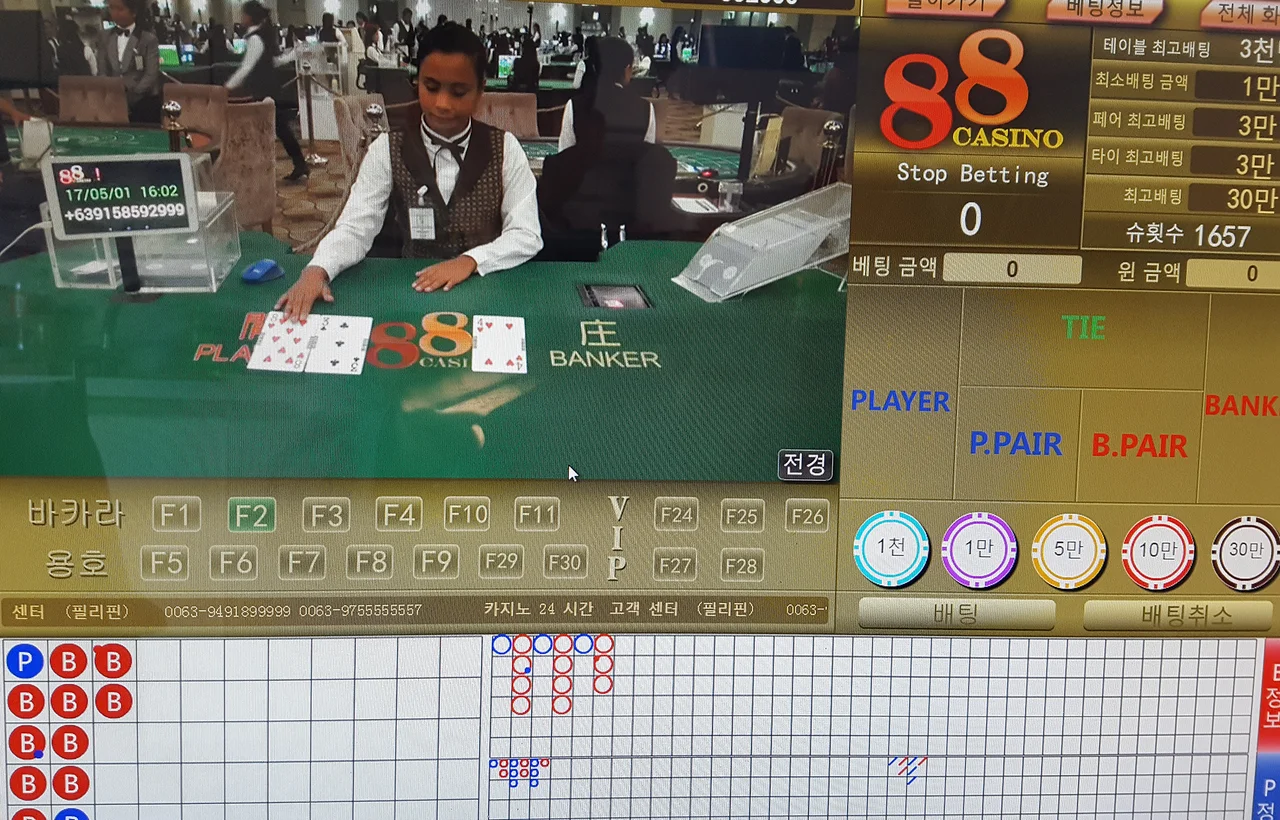
According to the police, the group is accused of exchanging 28.7 billion won in fraud proceeds for gaming chips at four domestic casinos, including Kangwon Land, between October and December of last year, and then laundering the money through baccarat games.
Investigations revealed that the funds were stolen from 555 victims by an overseas-based investment fraud organization that lured victims with promises of high returns and deceived them into believing they were making legitimate investments through fake websites. The funds laundered at the casinos were then funneled back to the overseas fraud ring.
The domestic organization was structured around a ringleader, with roles divided among recruiters, managers, cash withdrawers, money changers, and couriers. They reportedly recruited casino VIPs capable of high-value transactions and overseas residents eligible to enter foreigner-only casinos to facilitate the scheme.
They are accused of using a technique known as 'two-way betting'—placing bets on both sides of a baccarat game—to minimize losses while converting the fraud proceeds into cash. Police estimate that they laundered up to 2 to 3 billion won per day.
The investigation also uncovered that the group changed their methods in response to bank account freezes. Initially, they used dedicated casino accounts, but after facing difficulties due to account suspensions, they shifted to using cashier's checks.
Police seized 111 million won in cash, luxury goods, and approximately 50 mobile phones and PCs. A court has granted a pre-indictment preservation order on 390 million won worth of assets, including real estate owned by the suspects. This measure restricts the disposal of assets to ensure future recovery of criminal proceeds, though it does not mean the victims' losses have been recovered.
While continuing the investigation into the overseas fraud organization and other accomplices, the police have proposed that domestic casino operators and the Ministry of Culture, Sports and Tourism strengthen monitoring of high-stakes betting, cash withdrawals, and overall patron activity.
This case is distinct from the operation of illegal gambling dens. The core of the investigation is that the transaction processes of legally operated casinos were exploited to hide the proceeds of investment fraud. Current reports have not confirmed any collusion or illegal involvement by casino companies or their employees, and the names of individual casinos other than Kangwon Land have not been disclosed.
In anti-money laundering management for casinos, it is crucial to comprehensively monitor the entire transaction flow—from customer identification and source of funds to chip purchases, gameplay, and currency exchange. This case underscores the need to verify the effectiveness of on-site monitoring systems to detect sophisticated methods, such as switching transaction tools after account blocks.
The police advised the public to be suspicious if asked to withdraw cash or checks in exchange for high commissions, as it may be linked to criminal funds.