Melco Resorts, a Macau casino operator, has introduced a new customer membership program, signaling a move to avoid the competitive trap of excessively increasing customer benefits—such as complimentary rooms and points—to defend market share.
This is a point of consideration for the three major Korean foreign-only casinos, all of which saw a rise in October gaming revenue. The core question is whether the profits remain sufficient to cover the increased costs associated with attracting more VIPs.
◇ Melco Adjusts Customer Perks Amid Weak Demand
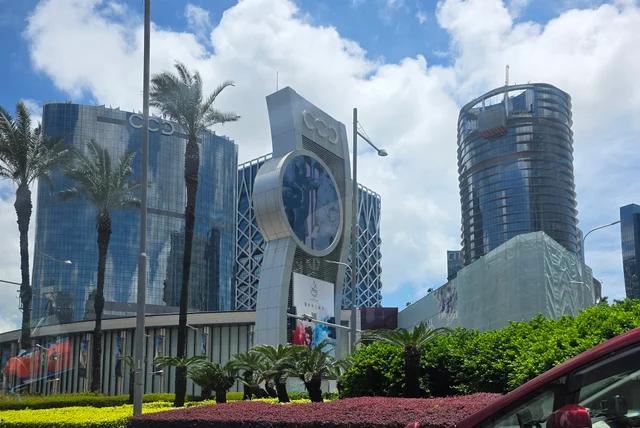
Evan Winkler, President of Melco Resorts, announced on the 4th during the Q3 earnings call that a new player club would launch on the 5th. Having recently reorganized its sales operations, Melco aims to distribute benefits based on actual customer performance and prevent a decline in profitability caused by chasing market share during periods of weak demand.
In the casino industry, 'comps' refer to benefits provided to customers, such as free rooms or food and beverages. Melco did not disclose specific benefit unit prices or cost caps for the new membership.
Melco's Q3 group revenue was $1.17 billion (approx. 1.5725 trillion KRW), down about 10% from the same period last year. Adjusted property EBITDA was $287.6 million (approx. 386.5 billion KRW), a decrease of about 24%.
At Macau's City of Dreams, VIP rolling chip volume fell by about 17%, and the casino's win rate dropped from 3.68% to 2.49%. Studio City's mass table drop also decreased by about 10%. President Winkler explained that weak demand was also observed in customer segments below the top-tier VIPs.
Macau's total gross gaming revenue (GGR) in October was 21.68 billion patacas (approx. 3.607 trillion KRW), a 10% decrease from the same month last year. While it has fallen below the previous year's levels for five consecutive months, the cumulative total from January to October increased by 1.6%. During the seven-day Chinese National Day holiday, Macau's average daily visitor count rose by 15.5%. This serves as a case study showing that casino revenue can remain weak even during periods of increased tourism.
◇ Revenue Growth at Three Domestic Casinos: Divergence Between Input and Output
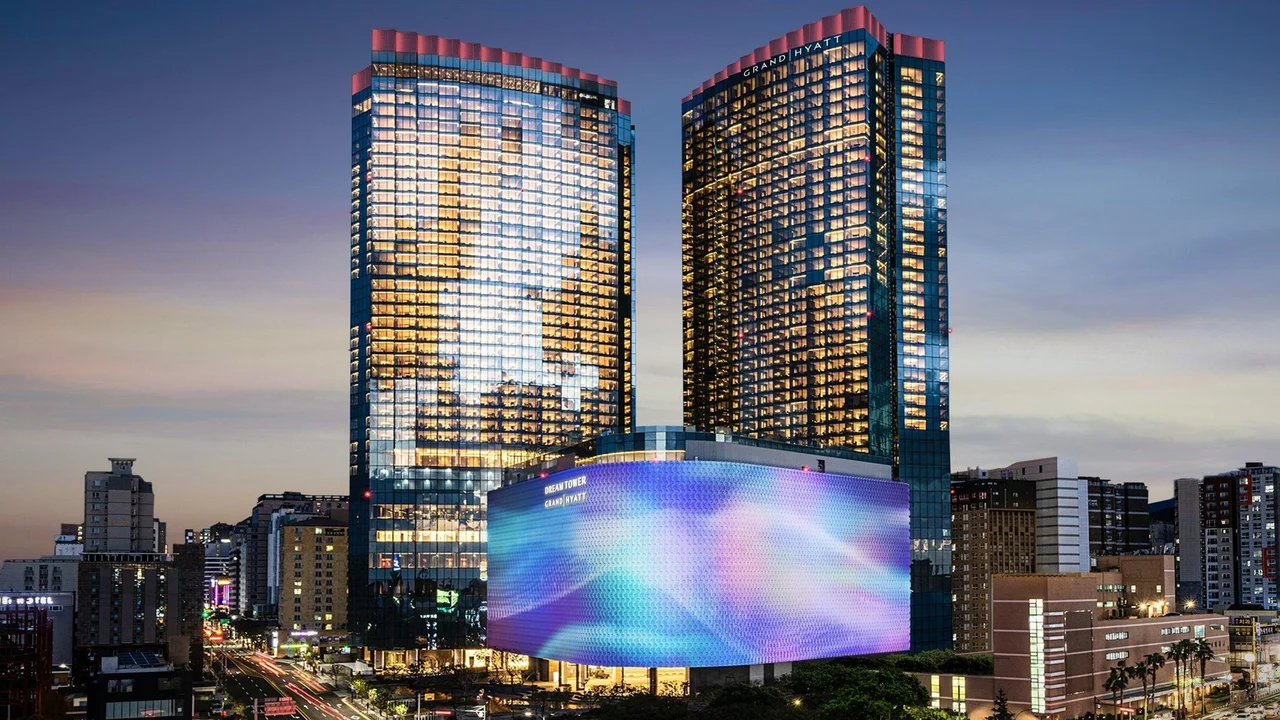
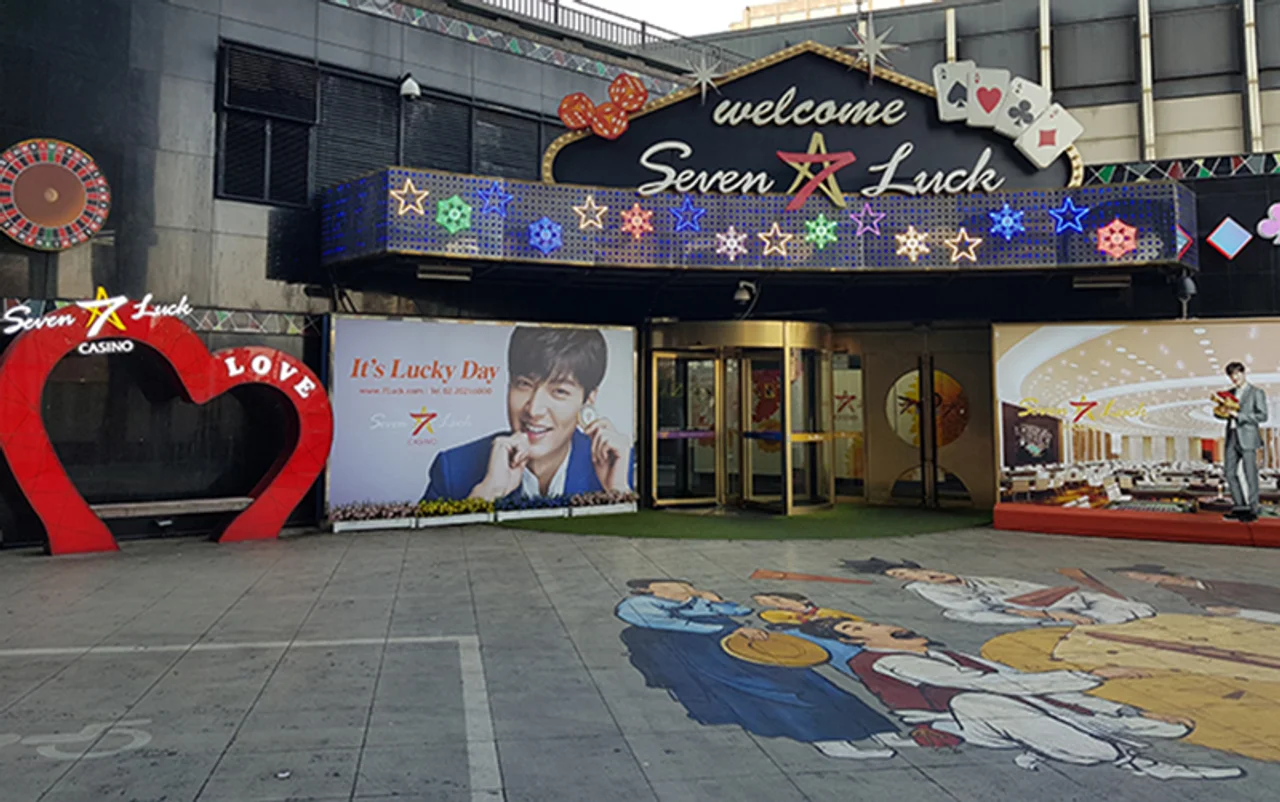
October casino revenue for the three major listed domestic operators all increased compared to the same month last year. Paradise rose 12.8% to 82.123 billion KRW, GKL's Seven Luck rose 2.5% to 29.28 billion KRW, and Lotte Tour Development's Jeju Dream Tower rose 24.1% to 62.526 billion KRW. These figures were recorded before Melco's November membership overhaul. It is difficult to confirm solely from public monthly data whether Macau customers have shifted to Korea.
Compared to the previous month, the movement of 'drop' (the amount customers put into games) and revenue differed. GKL's October drop was 336.375 billion KRW, up 3.9% from the previous month, but casino revenue fell by 21.5%. During the same period, Dream Tower's table drop increased by 37.7%, and table revenue jumped by 134.6%. If the hold rate—the percentage of the drop that the casino retains as gaming revenue—changes, monthly performance can vary significantly even with similar levels of customer capital.
◇ Profit Decline Despite Surpassing 2 Trillion KRW in Drop: The 'Comp' Effect
Paradise's Q2 performance illustrates why the domestic industry must scrutinize customer acquisition costs. The casino drop reached a record high of 2.0585 trillion KRW for a single quarter, up 12.2% from the same period last year. While consolidated revenue also increased by 11.8%, operating profit fell 17% to 35.5 billion KRW.
Operating profit margin dropped from 15.1% to 11.2%. Reports at the time attributed this to increased comp and advertising expenses, as well as personnel costs related to hotel acquisitions and development. It is difficult to calculate the specific impact of comps on profit reduction from public data alone.
In the same quarter, Paradise's Chinese VIP visitors decreased by 15.4%, but other VIP drops increased by 26.5%, and mass customer drops rose by 18%. This demonstrates that when a customer base spans multiple markets, a decline in visits from one nationality can be partially offset by other segments.
Conversely, for domestic operators whose VIP customer base overlaps with Macau and China, customer retention costs may rise if competitors increase their benefits. Whether actual costs have risen requires checking the benefit execution details of domestic operators.
The standard domestic operators should refer to from Melco's case is how much repeat visits increased after providing benefits, and how much profit remained after deducting additional costs. The burden of providing a free room night differs significantly between weekdays, when there are many vacancies, and peak-season weekends, when the room could have been sold at a premium.
To compare the effectiveness of benefits, one must examine repeat visits and drop amounts by nationality and tier over multiple quarters, and subtract room, food and beverage, point, and commission costs from revenue adjusted for hold rate fluctuations. Monthly revenue records alone are insufficient to confirm these costs.
◇ Melco's 'Comp Discipline' and the Question for Korean Casinos
Paradise, GKL, and Dream Tower all saw October revenue growth... The success of the VIP competition depends on the profit remaining after costs.
As of November 6th, there is no evidence that Melco's new membership has immediately impacted the revenue of domestic foreign-only casinos. While Macau's casino revenue fell 10% in October, the three major listed domestic operators all saw increases. The immediate point of focus in Korea is how much the cost of retaining VIPs in markets overlapping with Macau will rise, and whether profits remain after those costs are incurred. Paradise's Q2 performance already showed operating profit falling despite a record-high drop.