A Report on Human Psychology from South Korea's Only Casino for Locals
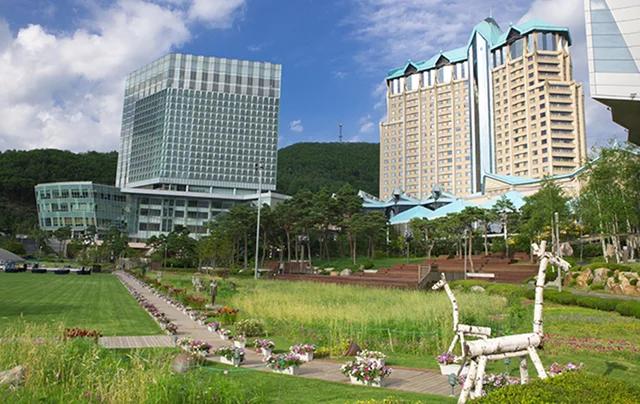
Kangwon Land is more than just a casino.
Due to its 26-year monopoly, strict regulations, a culture of long-distance travel, and a supply-constrained environment, Kangwon Land has fostered a highly unique psychological structure among its customers.
Interestingly, many of these customers are ordinary people in their daily lives—diligent office workers, heads of households, small business owners, highly educated professionals, and retirees—who typically value etiquette and social standing.
However, once inside the Kangwon Land casino, many become impatient, aggressive, and intensely competitive, often displaying an obsession with specific seats and games.
This cannot be explained by "gambling tendencies" alone. The very structure of Kangwon Land exerts extreme pressure on the customer's psyche.
Below is a summary of the '10 Key Psychological Traits of Kangwon Land Customers' frequently discussed by long-term visitors and casino insiders.
- The "I've Come This Far" Mentality
The core of the Kangwon Land customer psyche is the pressure of the thought: "I've come all this way, I can't leave empty-handed."
It takes 6 hours round-trip from the Seoul metropolitan area and over 10 hours from the Yeongnam or Honam regions.
When you add the investment of travel costs (fuel), accommodation, food, and time, customers stop viewing it as simple entertainment and start treating it as a "must-win battle."
This mentality often leads to reckless betting, long hours of play, and an obsession with recovering losses.
- Extreme Obsession with Seating
One of the most prominent features of Kangwon Land customers is their obsession with "seats."
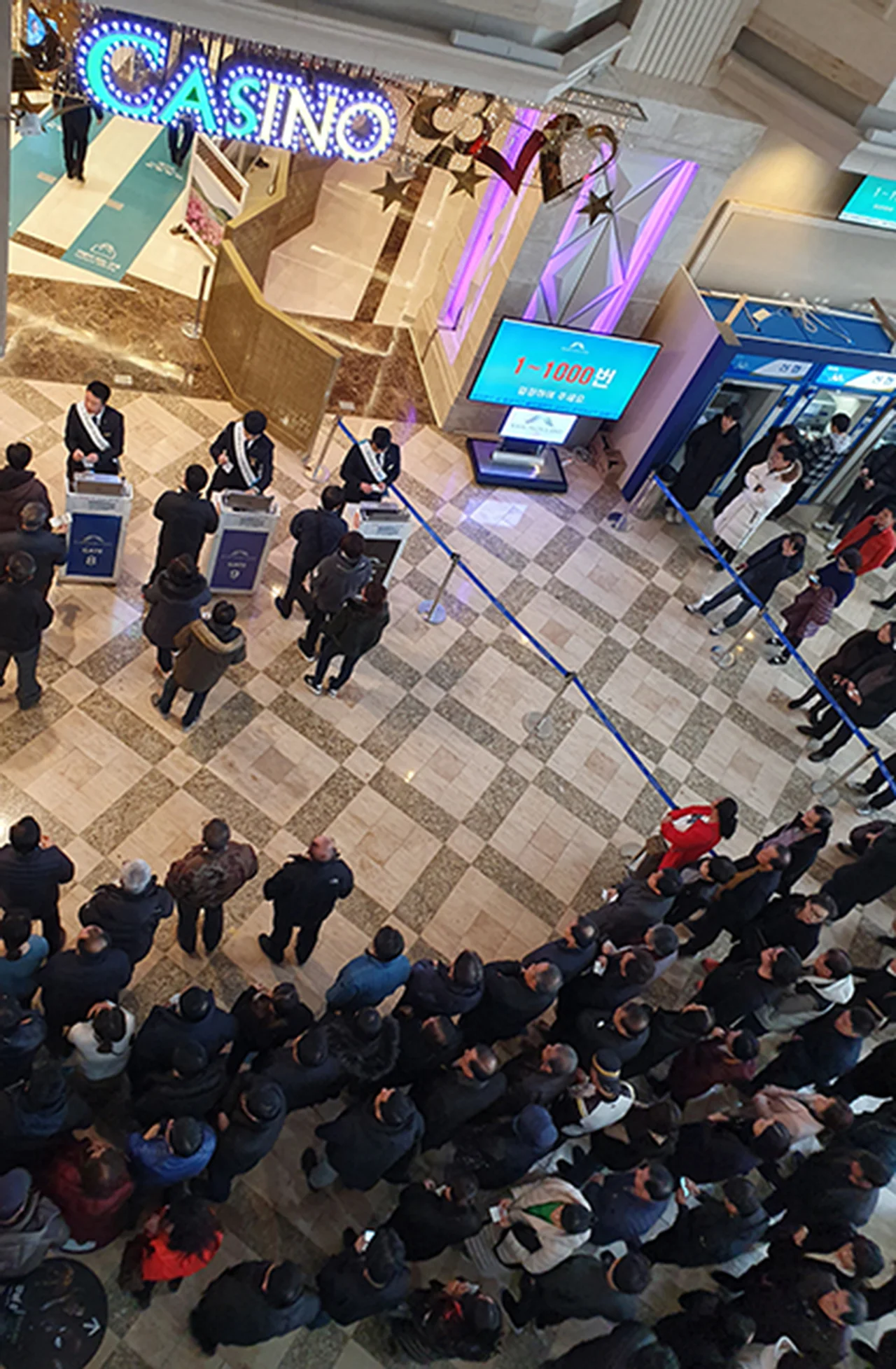
Competition is particularly fierce for popular slot machines and blackjack tables.
The reason is simple: supply is vastly insufficient compared to demand.
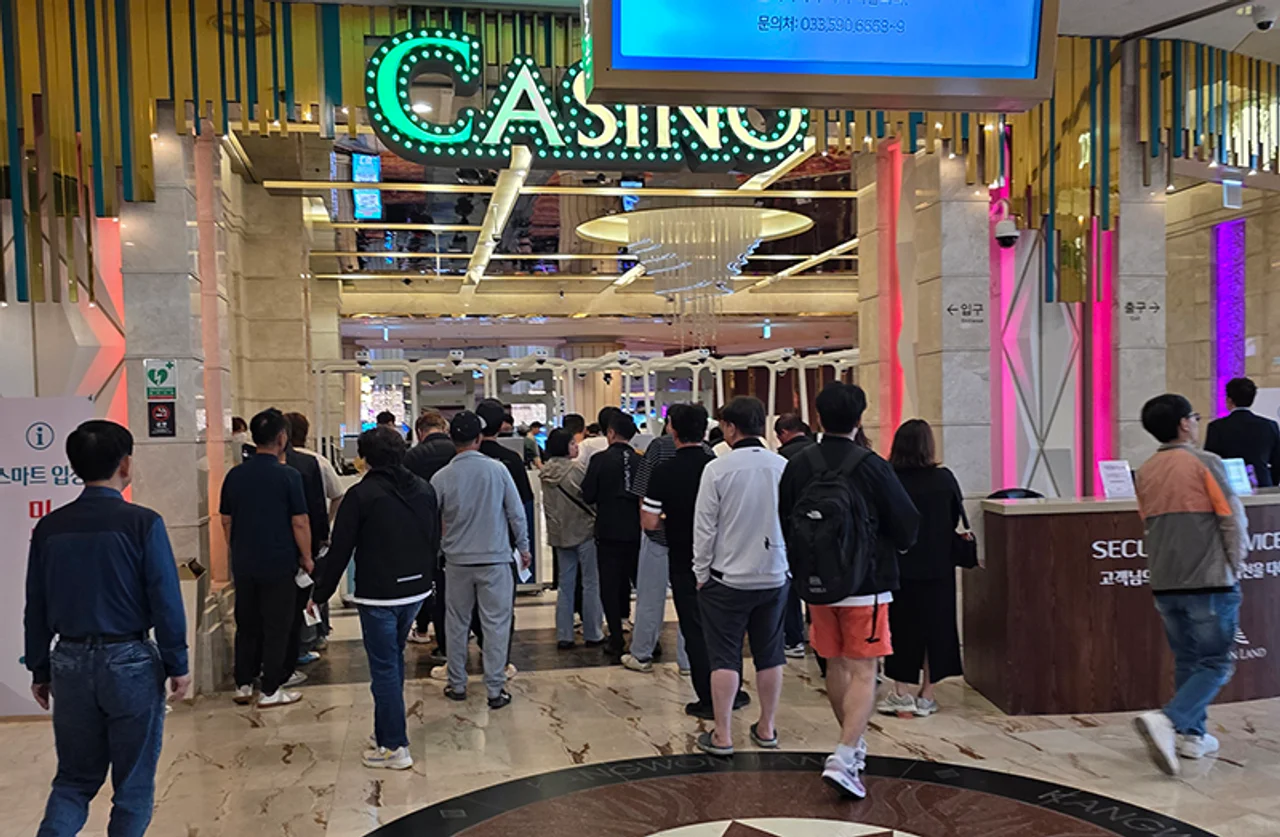
This has given rise to unique subcultures like waiting in line at dawn, reserving seats, occupying them for long hours, trading seats, and having others sit in for them.
For some customers, a good seat is synonymous with the "opportunity to play."
Therefore, even minor issues regarding seating easily lead to emotional conflict.
- The "Just One More Round" Mentality
A significant number of Kangwon Land customers repeat the thought: "Just this one time."
They constantly tell themselves: Let's play just this one round, let's just recover this amount, let's spin it one more time.
Especially when losses occur, the mindset that "if I stop now, the loss becomes permanent" takes hold.
Because of this, game sessions drag on, and judgment becomes increasingly clouded.
- Loss of Time Perception
The casino's operation structure, which spans nearly 20 hours, destroys the customers' sense of time.
Inside the casino, the boundaries between dawn, morning, day, and night blur.
Customers who play for long periods easily fall into states of forgotten meal times, sleep deprivation, and accumulated fatigue.
This environment acts as a factor that fuels mood swings and aggression.
- The "Jackpot Myth" Mentality
Kangwon Land customers have a very strong expectation that "someone is going to win big."
As super-sized jackpots, big-win certifications, and slot bonus videos are shared rapidly through online communities, customers come to believe that they, too, can win big someday.
The problem is that success stories are remembered more vividly than experiences of failure.
Consequently, the "hope for a big hit" often overrides realistic profit and loss calculations.
- Strong Superstitions and Self-Conviction
A unique culture of superstition exists among Kangwon Land customers.
Examples include preferences for specific seats, beliefs in certain time slots, favoring specific dealers, analyzing slot machine patterns, or identifying "machines that are due to hit today."
Some customers even place importance on clothing color, seat orientation, and the amount of their first bet.
This can be analyzed as a human behavior aimed at finding psychological stability amidst uncertain outcomes.
- The Psychology of Secrecy
A large portion of Kangwon Land customers hide their visits.
They often keep it a secret from their families, coworkers, and do not share it on social media.
This is because there is a strong perception in Korean society that "casinos are negative."
Ultimately, customers feel as though they are engaging in an "act that must be hidden" rather than a "fun trip."
This psychology can make customers feel even more isolated and withdrawn.
- Competitive Spirit and Aggression
Kangwon Land is fundamentally built on a structure of intense competition.
Competition for seats, game order, and table spots is constant.
When loss and fatigue accumulate on top of this, customers easily become sensitive.
It is not uncommon for people who are gentle in society to become impatient and aggressive inside the casino.
Some customers describe it by saying, "People change inside the casino."
This can be analyzed not just as a personality issue, but as the result of an environment of extreme tension.
- The Trap of Repetitive Visits and Familiarity
Long-term Kangwon Land customers sometimes perceive the casino not as a "special space" but as an "everyday space."
As visits repeat, phenomena such as weakened vigilance, dulled sense of money, and becoming accustomed to long stays occur.
Amounts that felt like large sums of money at first can become desensitized through repeated experience.
- The "I'll Eventually Come Back" Mentality
There is a phrase often heard among Kangwon Land customers:
"I'm never coming back."
However, a significant number return.
The reason is difficult to explain by addiction alone.
Kangwon Land is a space where tension, anticipation, competitiveness, human relationships, and a sense of escapism are complexly intertwined.
For some customers, Kangwon Land acts not just as a casino, but as another world where they can briefly forget reality.
Conclusion — Kangwon Land is a Space that Compresses Human Psychology to the Extreme
Kangwon Land customer psychology cannot be explained simply by saying they "like to gamble."
Rather, it can be analyzed as a special environment where a monopoly structure, supply shortages, long-distance travel, excessive regulations, long operating hours, and a closed culture combine to exert extreme pressure on the customer's psyche.
The problem is that this structure can shake the human composure and dignity of the customers.
For Kangwon Land to develop into a true integrated resort, experts point out that it needs more than just facility expansion; it requires psychological stability for customers, a more relaxed gaming environment, strengthened entertainment, the creation of a resort-style culture, and improved customer experience.
Ultimately, the assessment that the future of Kangwon Land depends not on how many customers it hosts, but on how comfortable and healthy a space it becomes for them, is gaining traction.